London, 1992 — They Missed Each Other
That year, Eileen was 23. She had just arrived in London from Dublin, working at a tiny bookstore in Notting Hill — the very neighborhood that a movie would later make famous around the world. But back in 1992, it was just a sleepy corner of old bookshops and postcard stalls. Few tourists wandered through, and most of the customers were regulars.
James was one of them.
He worked as a junior architect at a small firm nearby, and every Wednesday afternoon he’d come in for an architecture magazine. Eileen remembered him as the guy in the faded khaki jacket who always asked the same question when he paid: “Anything new today?” — his voice tentative, as if he was afraid of bothering her.
Years later, James confessed in a letter: he never needed those magazines. The firm already subscribed to all of them. He just needed an excuse to see her.
But Eileen didn’t know that then. She only knew that this slightly awkward customer showed up every Wednesday, bought the same magazine, asked the same question, and turned pink around the ears.
A few weeks before Christmas 1992, James finally worked up the nerve to ask her to a revival screening of Love Story — that 1970 tearjerker about a rich boy and a poor girl who fall in love, and then she gets sick and dies. Yes, it was cheesy. But in that tiny indie theater in Notting Hill, two young people sat side by side in the dark, not saying a word.
After the movie, they walked home along Portobello Road. They passed the blue door that would later become a movie landmark — back then, it was just an ordinary door. James stopped in front of it. He pulled a small velvet box from his pocket.
“I know this is fast,” he said. “But this stone — it came from the stars.”
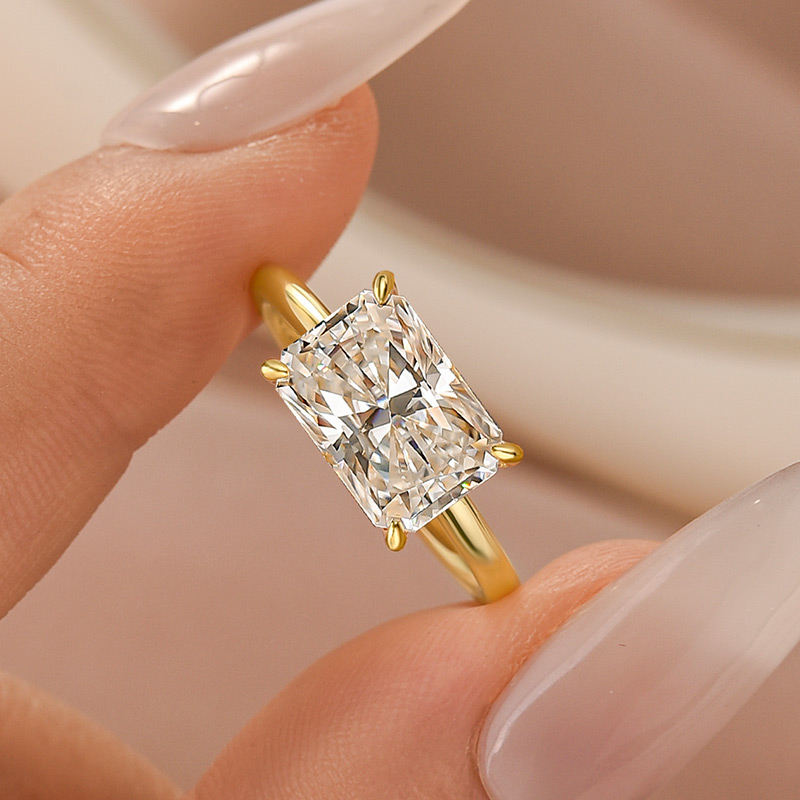
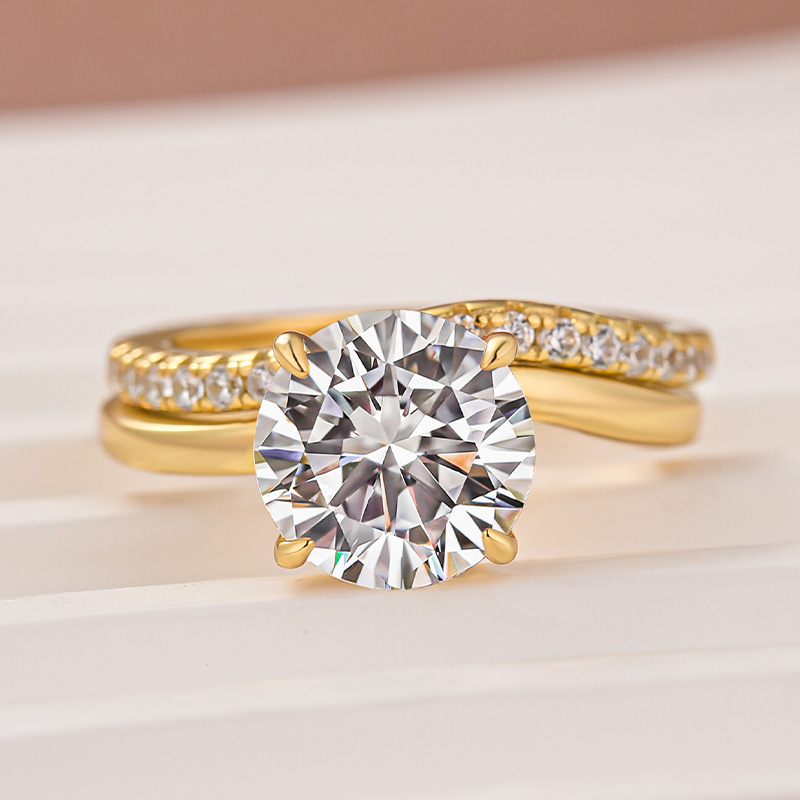
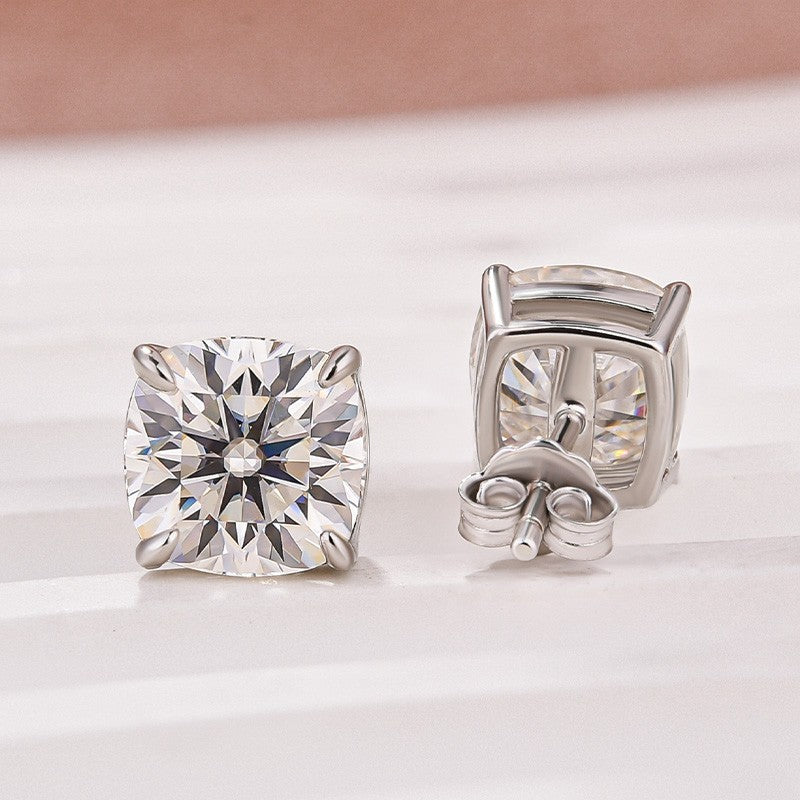
Inside the box was a moissanite ring — a modest center stone set in a simple silver-toned band. He’d asked a jeweler friend to bring it back from the United States. In the late 1980s, American scientists in North Carolina had just begun producing moissanite in their lab. It was still rare on the market — cheaper than diamond, sure, but not exactly cheap. For a young architect barely two years into his career, it cost nearly half a year’s savings.
“It came from a meteorite that fell in Arizona 50,000 years ago,” James stammered. “A French chemist named Henri Moissan discovered it in 1893, and they named it after him. I’m not saying I couldn’t afford a diamond — I just thought this suited you better. It’s even more brilliant than a diamond, and it’s actually from the stars—”
Eileen froze.
Not because she was moved — because she was terrified.
At 23, fresh off the boat from a small Irish town, she was working the most ordinary job and renting the cheapest room she could find. She wasn’t sure she wanted to stay in London. She wasn’t sure if a four-month romance was serious enough to say yes to. She looked at the sparkling ring, looked at James’s pale, nervous face, and said the words she would regret for thirty years:
“I’m sorry. I’m not ready.”
She turned and ran. Past that blue door, past the Christmas lights, all the way back to her unheated bedsit, where she cried all night.
James didn’t show up at the bookstore the next day. Or the day after. A week later, he stopped by once — put down a magazine, said nothing, and left.
Eileen later heard he’d moved to New York — an American firm had offered him a job. She didn’t reach out. She didn’t write. She told herself she’d blown it, and she didn’t deserve to chase after him.
London, 2022 — Thirty Years Later, They Meet Again
Thirty years can change a lot. Eileen had married and divorced, no children, and now ran her own small gallery in London. She was no longer young — her hair was streaked with grey — but she still wore round glasses and still pursed her lips slightly when she spoke. James remembered that habit.
Yes, James had come back, too.
In the fall of 2022, the old Notting Hill bookstore had turned into a trendy café, but the blue door on the corner was still there. Eileen’s gallery was located just fifty feet from it — a location she’d never consciously realized she’d chosen.
One afternoon, a grey-haired man pushed open the gallery door. He wore a light gray cashmere sweater and carried an architecture magazine in his hand.
“Excuse me,” he said. “Anything new today?”
Eileen looked up. Her coffee cup nearly hit the floor.
A Question Thirty Years Overdue
They talked for four hours in the small office behind the gallery. James had never married. He’d stayed in New York all these years, coming back to London occasionally for work. He confessed the truth about those magazines, confessed he’d written her many letters but never dared to send them, confessed that in his Manhattan apartment, he’d kept a ring that never found its finger.
“That moissanite ring,” he paused. “It’s still there. I always felt it belonged to you.”
Eileen took off her glasses and wiped her eyes with a laugh: “You know moissanite is cheap now, right? You can find it all over the internet — starting at $89.”
“I know,” James said. “But mine is from 1992. It’s from the very first generation of lab-grown moissanite — the real deal, something from the stars. Just like—”
He stopped. Some words, even thirty years later, still took courage.
“Just like you. One of a kind.”
In the spring of 2023, they threw an engagement party right there in that tiny gallery. They invited the regulars, the café owner from across the street, and the elderly woman who’d run the old bookstore — she was 80 by then and still remembered “that boy who came in every Wednesday for a magazine.”
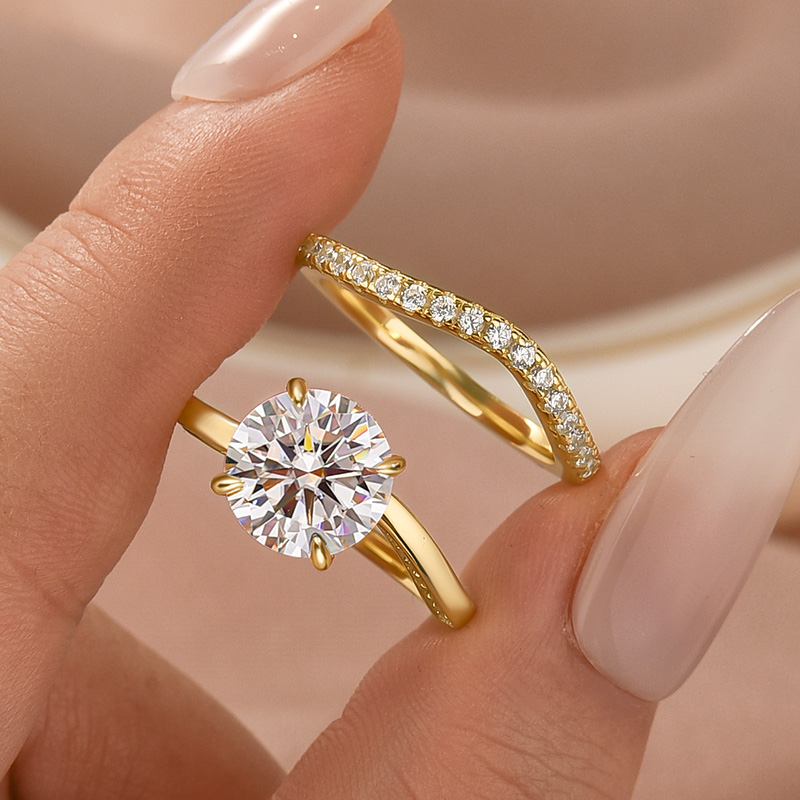
James had the 1992 moissanite reset. The original stone became the centerpiece, flanked by two tiny diamonds — past, present, and future. He called it a Trilogy Ring. Three stones, three chapters.
Eileen told the story to every table of guests. By the third telling, James quietly pulled her aside.
“Do you remember that movie?” he asked. “Love Story. There’s a line in it you’ve probably forgotten.”
Eileen couldn’t recall.
James said: “‘Love means never having to say you’re sorry.'”
He paused, blushing like a 23-year-old boy.
“But I want to say I’m sorry. For making you wait thirty years.”
Eileen shook her head, smiling. “I’m not sorry. Because a ring from the stars — after thirty years of waiting — only shines brighter.”
Moissanite: A Star-Born Gem, Worth the Wait
In Eileen and James’s story, that 1992 moissanite ring was a silent witness. But today, moissanite is no longer a rare secret.
It is a gem born from the stars. 50,000 years ago, a meteorite fell in Arizona, leaving behind brilliant silicon carbide crystals. In 1893, French chemist and Nobel laureate Dr. Henri Moissan discovered them in the canyon. Later, scholars at Tiffany & Co. named the new gem in his honor.
It is not an imitation of diamond — it is a gemstone in its own right. Its dispersion (fire) is more than twice that of diamond, and its hardness is second only to diamond on the Mohs scale. The Gemological Institute of America (GIA) has called it “the most brilliant gemstone.”
More importantly, it represents a choice. Today’s young couples choose moissanite not because they can’t afford diamonds, but because they know exactly what they want — a ring that’s brilliant, durable, ethically sourced, and free of the overinflated marketing markup. On platforms like AliExpress, moissanite sales have jumped 20-fold, and Western customers are embracing it with genuine enthusiasm.
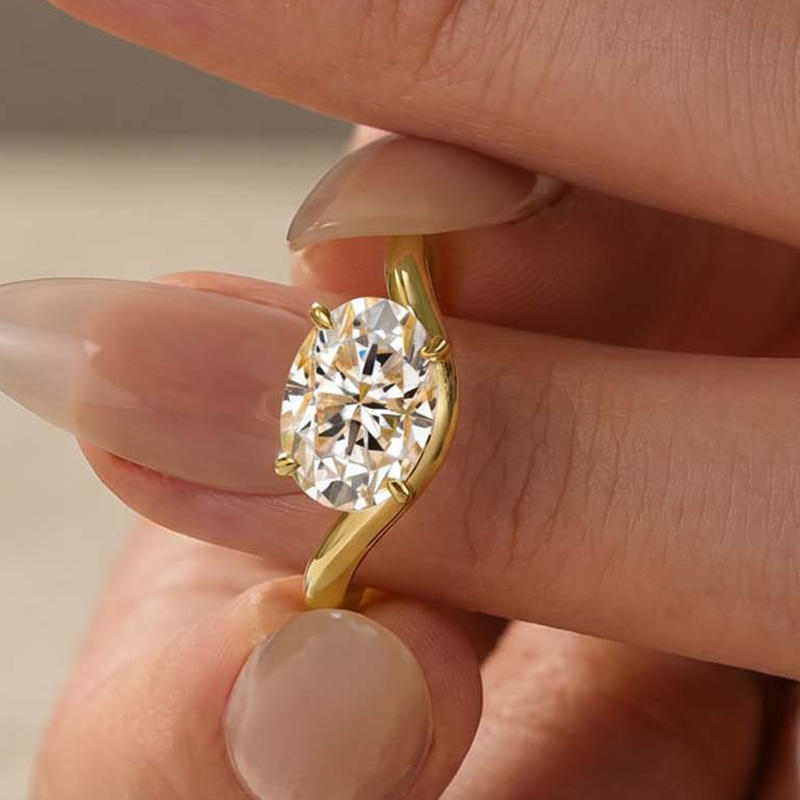
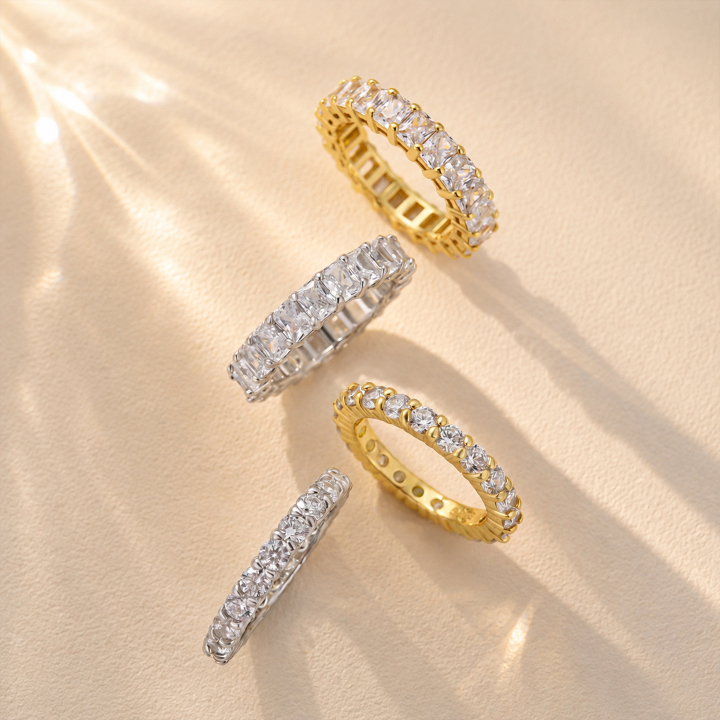
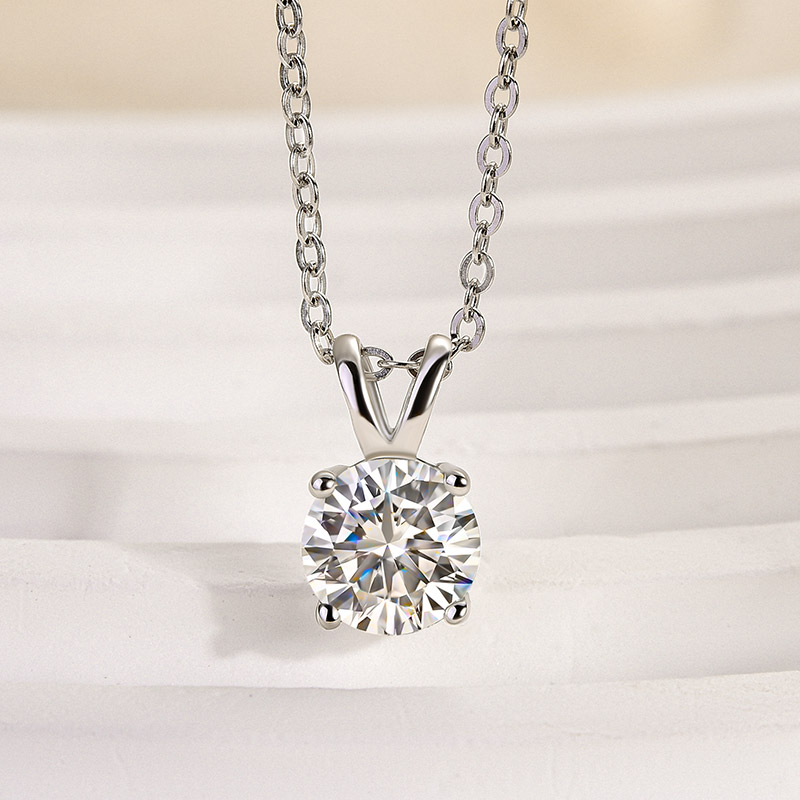
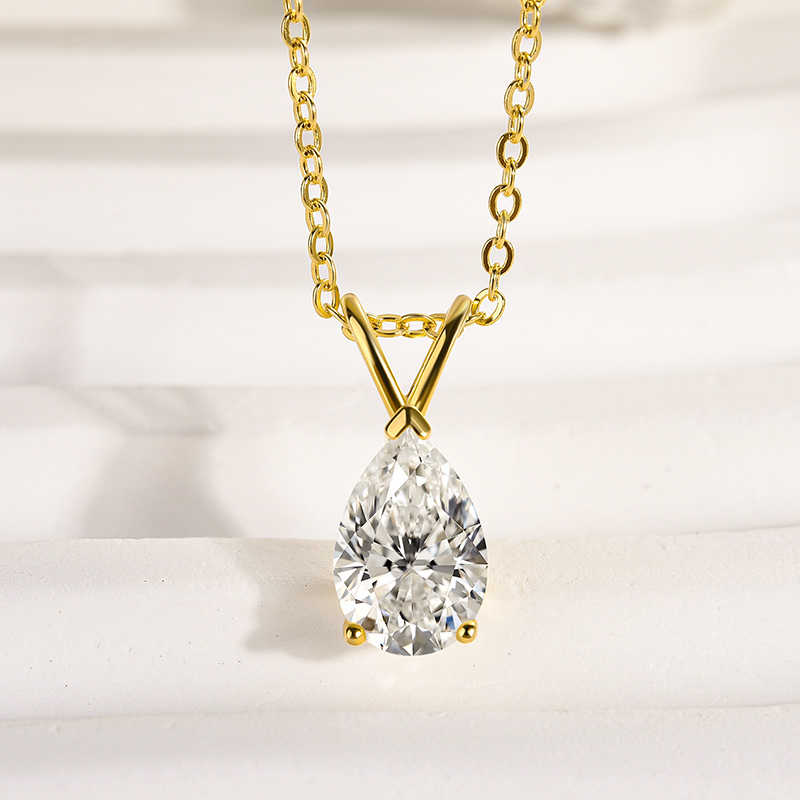
Sanyu Jewelry understands this kind of clear-eyed romance. Every moissanite ring from Sanyu is handcrafted in the jewelry-making heartland of Guangzhou and Wuzhou, with meticulous setting work — all priced between $89 and $200. That’s not cheapness; it’s value that cuts through the hype.
The true worth of a ring is never in the number on the price tag. It’s in the waiting, the choosing, and the finally-spoken “yes.”
Visit Sanyu Jewelry. Choose your own light from the stars.