How to Buy Moissanite: Spend $100 or $1,000? Understand These 3 Things First

0

My phone rang. My mom.

“I want to buy a moissanite ring. I looked online and prices go from $20 to $300. How do I pick?”

I put down what I was doing. “What’s your budget?”

“I’m not sure. I just want to know — what’s the difference between the cheap ones and the expensive ones?”

“Cut. Color. Clarity. Things you can’t see at first but will notice after wearing it for a while.”

“So how do I buy without getting ripped off?”

“Ripped off? Are you buying it to wear, or to sell later?”

“To wear.”

“Then that’s simpler.”

First Thing: Are You Buying It to Wear, or to Sell?

I’ve asked this question to a lot of people.

If you’re buying a ring to sell later — don’t buy moissanite. It doesn’t hold resale value. The secondhand market doesn’t want it.

But here’s the thing: are you buying your engagement ring to sell? If you’re going to wear it for ten or twenty years, washing your hands, making coffee, going out, taking it off and putting it on the nightstand — does “how much can I sell it for later” even matter to you?

No.

So there’s only one thing that matters: when you look at it, does it make you happy?

What’s the Difference Between a Cheap Moissanite and an Expensive One?

I once put three moissanites on my workbench — one for $15, one for $40, and one for $110 (same size). A friend who knew nothing about stones sat next to me.

“Pick the one you think looks best.”

She picked the $110 one.

“Why?”

“This one has cleaner light. The other two — one looks foggy, the other looks like you’re looking through frosted glass.”

She was right.

The difference between expensive moissanite and cheap moissanite comes down to three things: color, cut, and clarity. Most people think “they all look the same.” But just like two cars — one runs for ten years, one falls apart in one year — which one would you pick? Stones are the same. They might look similar at first glance. But after wearing them for a while, the difference shows.

Color: You Can Only See It on Your Hand

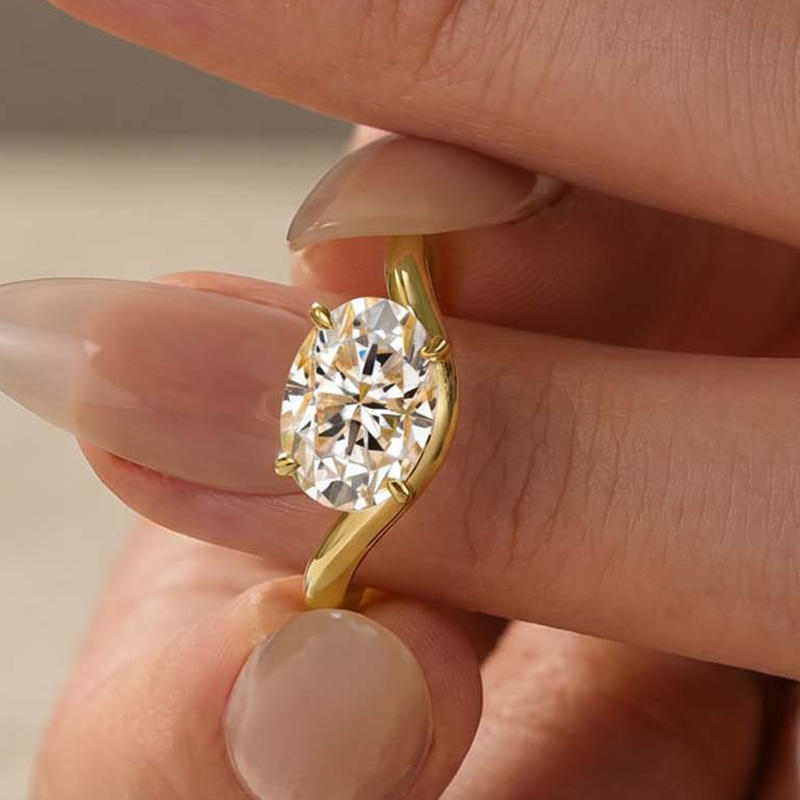
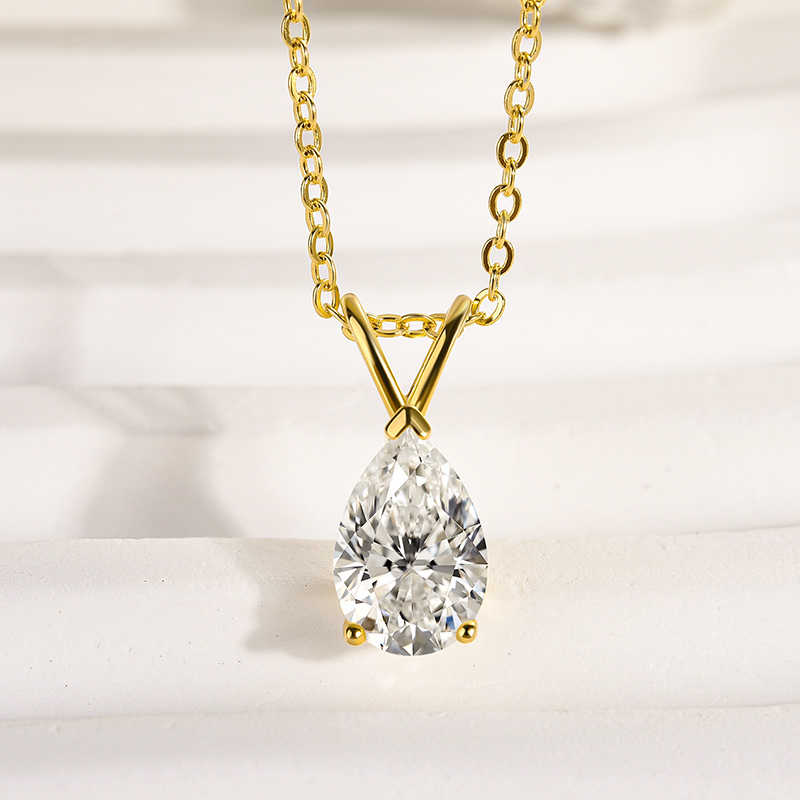
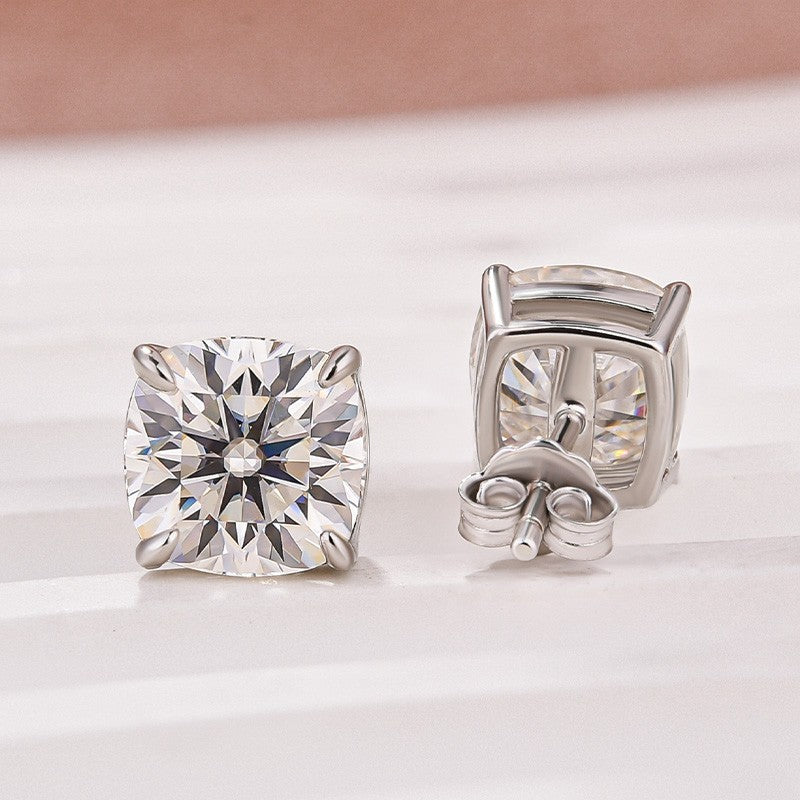
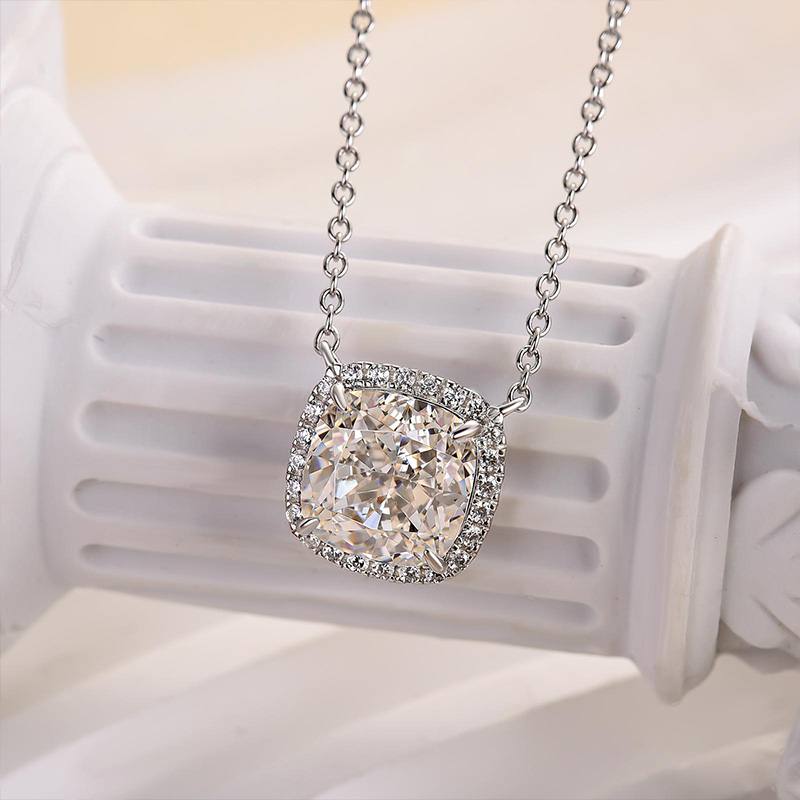
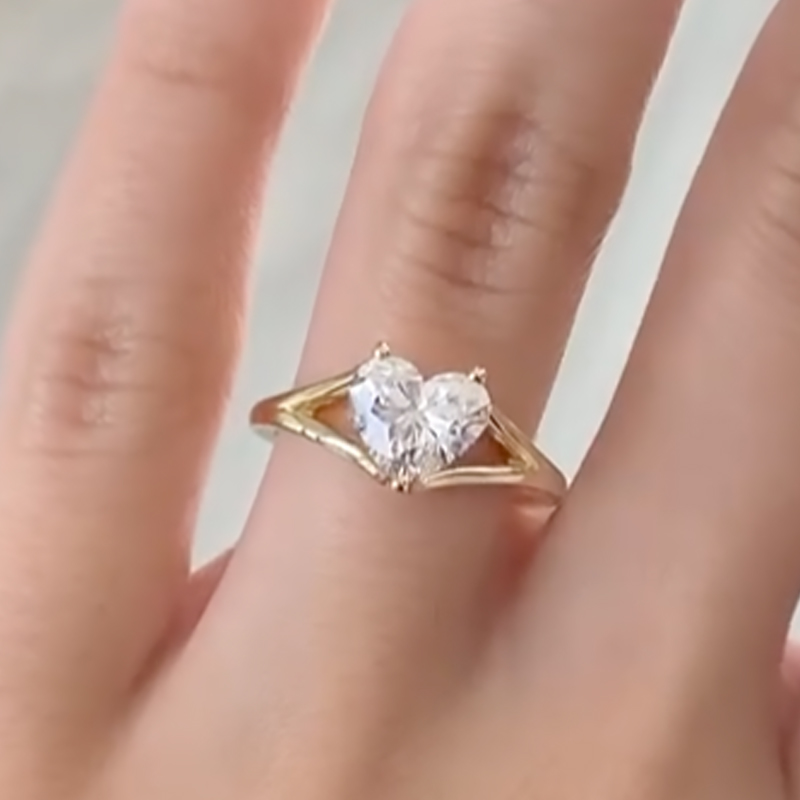
High-quality moissanite is near-colorless, with no gray or yellow tint from the side. Low-quality moissanite has a gray-green or yellowish undertone that makes it look less bright and clear, like looking through fog.

How to check? Here’s the simplest way I teach people: put the stone against a white piece of paper or a white tile, and look at it from the side under natural light. The side view never lies. If it looks gray or yellow, it’s not good color.

Cut: Turn It and You’ll Know

Cut determines one thing: whether the stone comes alive.

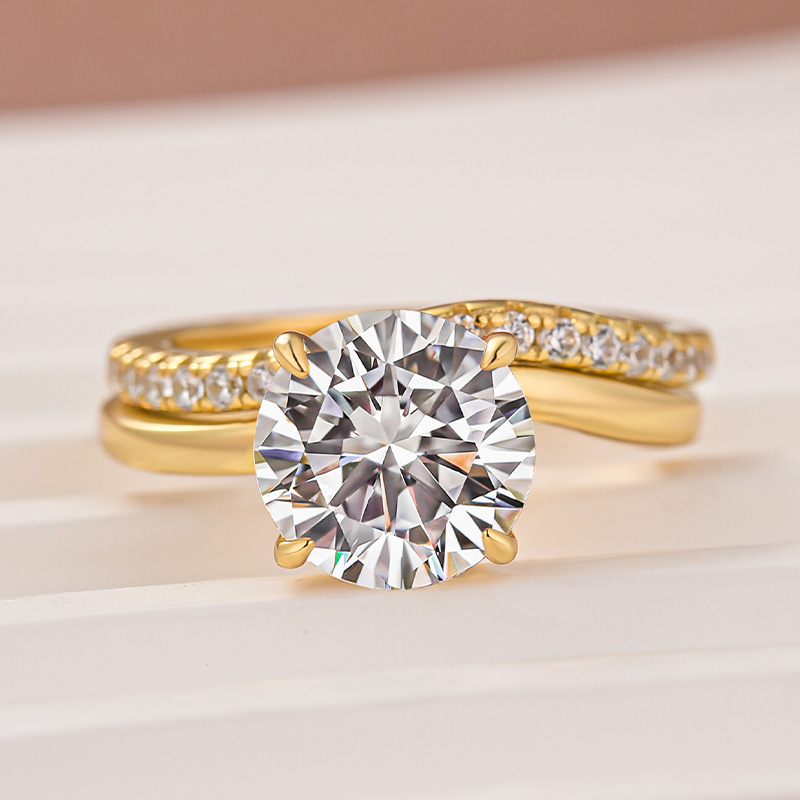
A well-cut stone lets light in, bounces it around inside, and shoots it back out the top — like a tiny lamp inside the stone. When you turn your wrist, the fire jumps between the facets — each flash is sharp, clear, and focused.

A poorly cut stone — wrong angles, wrong proportions — lets light leak out the bottom or the sides. The whole stone looks dull and hazy, like frosted glass. It might sparkle occasionally, but the flashes are scattered and soft, not focused.

How to test: hold the stone up to the light and slowly turn it. A good cut throws fire that moves with you — it’s alive. A bad cut is dead — it only flashes in one spot, or worse, it just goes dark.

Clarity: Look Inside

Moissanite is grown in a lab, not dug out of the ground. So most stones are clean inside — no black spots, no cracks, no cloudiness like natural diamonds can have.

But low-quality ones can still have a cloudy undertone, tiny bubbles, or growth lines — a foggy look inside the stone.

How to check: hold the stone against a white wall and look through it. If the wall behind it looks clear and sharp, the stone is clean. If the wall looks blurry or gray, the stone is not.

Three “Don’ts” and One “Do” Before You Buy

Don’t believe “imported is better.”

China now makes the best moissanite in the world. The original US patent expired years ago. A lot of brands that boast “American-made” or “Belgian-cut” are just buying from Chinese factories, putting them in fancy packaging, slapping on an English certificate, and charging three to five times more.

Don’t pay extra for a “certificate.”

Moissanite doesn’t have an internationally recognized grading system. All those “GRA certificates” and “GIA certificates” are printed by the sellers themselves. The certificate costs less than a dollar to make. What matters isn’t the piece of paper — it’s the stone on your finger.

Don’t go for the $10 bargain.

If you see a “moissanite ring” for $10, it’s probably not moissanite. It’s cubic zirconia with a cheap coating. After a month or two, the coating wears off — and the stone turns dull and gray. You saved ten bucks, but now you can’t wear it out.

Do ask for a video under natural light.

Photos lie. A photo editor can make a piece of frosted glass look like a diamond. But video doesn’t lie — especially a video of the stone being turned under natural light. You can see immediately whether the fire is alive or dead, whether the edges are sharp or blurry, whether there’s a gray or yellow tint in the background.

The Last Honest Word

My mom listened to all this, then asked: “So how much should I spend?”

“First decide what size you want and what setting you like. Then pick the best quality you’re willing to wear — not the most expensive you can afford. But the one you’ll actually want to wear.”

“What do you mean?”

“I mean — you buy it and you don’t wince at what it cost. And you don’t look at it and think ‘I should have gotten something better.’ When you look at it, you think ‘this is mine.'”

She paused.

“So I’ll buy one for around $70 — can you take a look at it?”

“Sure.”

“What if someone says it’s fake?”

“Then you say — it’s moissanite. Harder than diamond. Sparklier than diamond. You think it’s beautiful. You like it.”

She laughed.

“Alright.”

Leave a Reply

Your email address will not be published. Required fields are marked *