My phone rang. I picked it up. It was my mom.
“That thing you mentioned last time — moissanite — the one your colleague’s daughter wears. I saw a news story about a celebrity wearing something even more valuable than a diamond? What was that?”
“It was an artifact,” I said. “2,700 years old.”
“And she can wear it?”
“Yeah. She wore it. Everyone praised how beautiful she looked.”
“Then why can’t your colleague’s daughter wear moissanite?”
I opened my mouth. Then I paused. Because I suddenly realized — I didn’t have an answer to that question.
London. The press launch for The Odyssey. Zendaya walked out in a white gown, gold earrings dangling beside her cheeks — classical, elegant, a perfect match for the Athena role she was playing in the film. The cameras went off. Everyone thought the look was stunning.
Until someone noticed — what she had hanging from her ears wasn’t modern jewelry. It was a pair of 7th century BC, roughly 2,700-year-old ancient Persian gold plaques — modified with modern settings to turn them into earrings.
The archaeology world exploded.
“Cultural heritage” became the word on everyone’s lips. Susan Babe, a professor at the Courtauld Institute of Art, called the whole thing “outrageous,” saying that “not a single person involved had the awareness beforehand that this was inappropriate. The stylists responsible for dressing celebrities lack cultural literacy and cultural sensitivity.” Emiline Smith, an art crime expert at the University of Glasgow, went further — saying this was effectively re-commodifying looted artifacts and making it even harder to trace their origins. Iran’s cultural heritage investigation agency also jumped in, demanding that the jeweler release complete provenance information.
The jeweler scrambled into PR mode — claiming the artifacts had “traceable and documented origins, fully compliant with legal requirements,” and that the mounting method “would not cause permanent damage to the original pieces.” The academic community shot right back: you can hammer a nail into a masterpiece painting and say there’s no “permanent damage” — but that thing should never have been on a red carpet in the first place.
The core of the controversy is simple: a 2,700-year-old Persian artifact, from a burial site to a private collection, from a private collection to a movie star’s ear. Is it still an artifact? Or has it just become an accessory even more expensive than diamond?
Meanwhile, another story was happening — just on a much smaller scale.
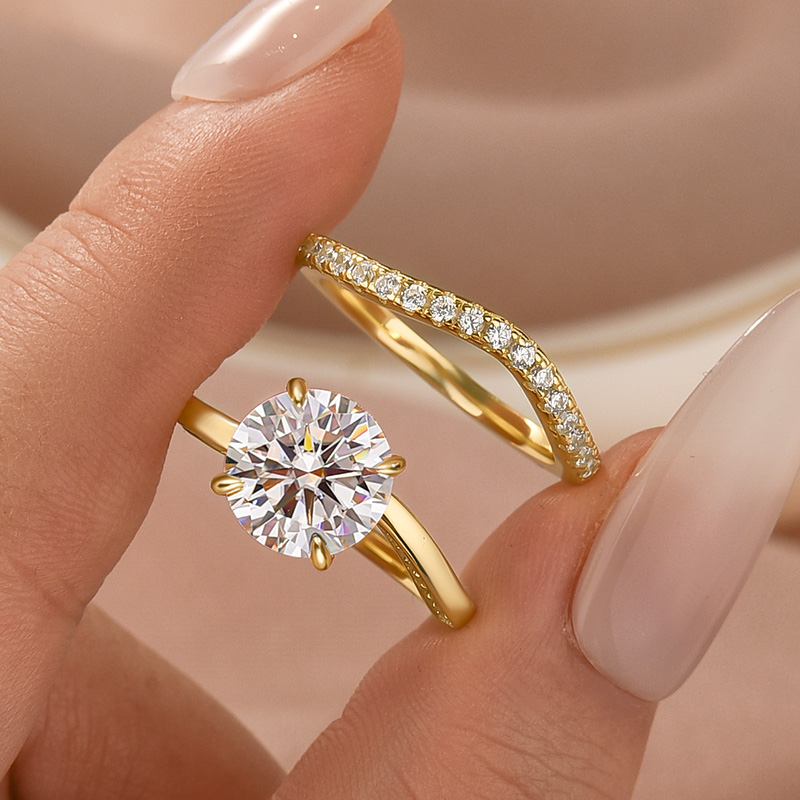
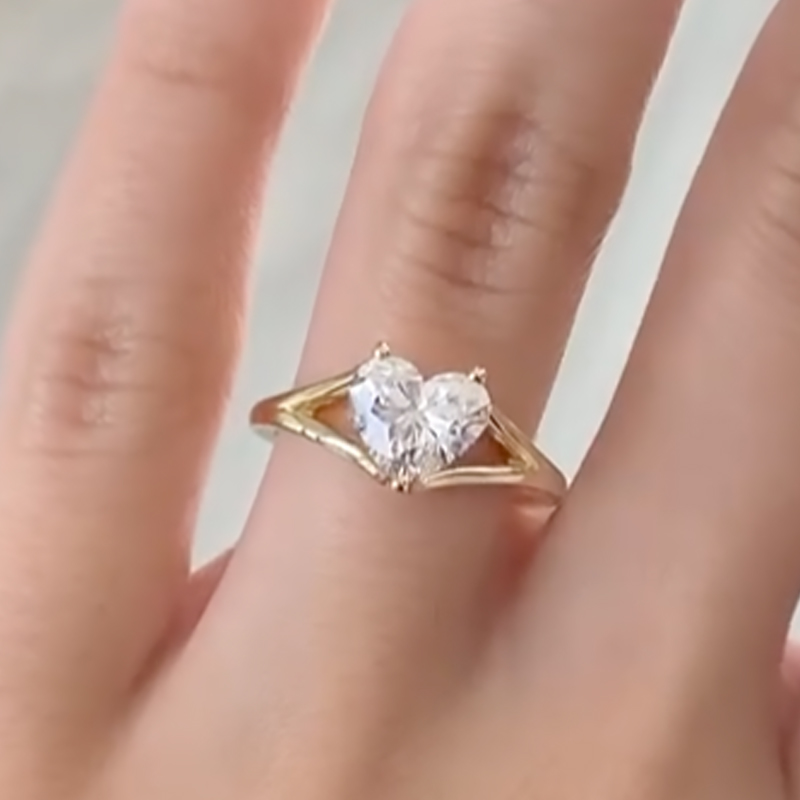
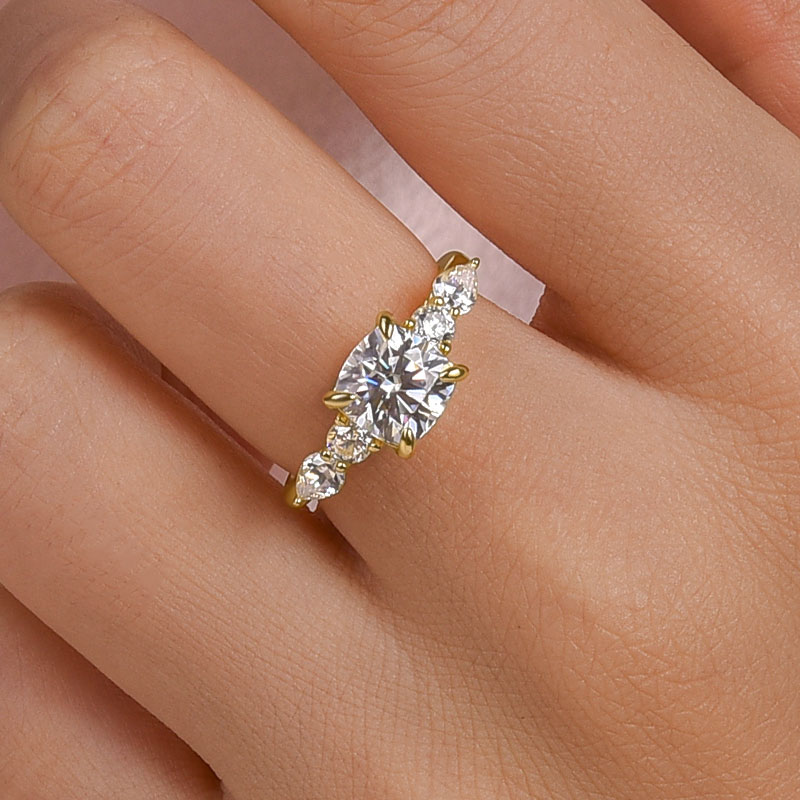
In 2024, New York fashion blogger Kelsey Kotzur posted a TikTok. At an event, a stranger had complimented her ring: “It’s so beautiful, it must have cost a fortune.” Kelsey said: “It’s not expensive. It’s moissanite.”
The woman’s face went cold. She threw out a dismissive “Oh, so it’s fake” and walked away.
Kelsey’s ring cost $500. A far cry from Zendaya’s 2,700-year-old plaques. But what’s more jarring is the logic — the stranger complimented it when she didn’t know what it was. The moment she heard the word “moissanite,” she decided it was worthless. The ring hadn’t moved. The light hadn’t changed. Only the label in her head had.
Kelsey later posted another video: “She complimented my ring when she didn’t know it was moissanite. The moment I told her, she didn’t like it anymore. She never liked the ring — she only liked the word ‘diamond.'”
The top comment under that video read: “If moissanite has one fan, it’s me.”
See it now? Same kind of situation. Two completely different rules.
Zendaya wore 2,700-year-old artifacts on the red carpet. Nobody asked her “is that real.” Because it’s too old to be fake. Archaeologists lost their minds, but she never addressed it. Fashion media kept praising. The red carpet kept rolling. The value of those artifacts isn’t diminished by the controversy — it’s amplified by it.
An ordinary person wore a $500 moissanite to an event. Got asked “is that real,” got called “fake,” got dismissed to her face. Then she had to go online and explain “it’s a different stone.”
On one side: “any stone old enough is worthy of me.” On the other: “any stone not expensive enough isn’t worthy of you.”
My mom paused on the phone.
“So what exactly is moissanite?”
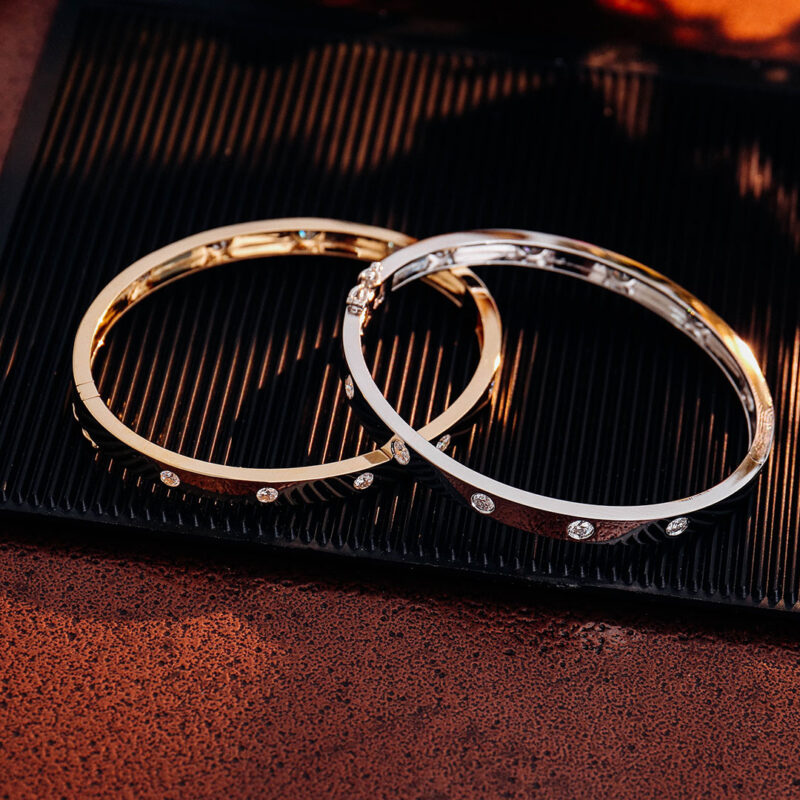
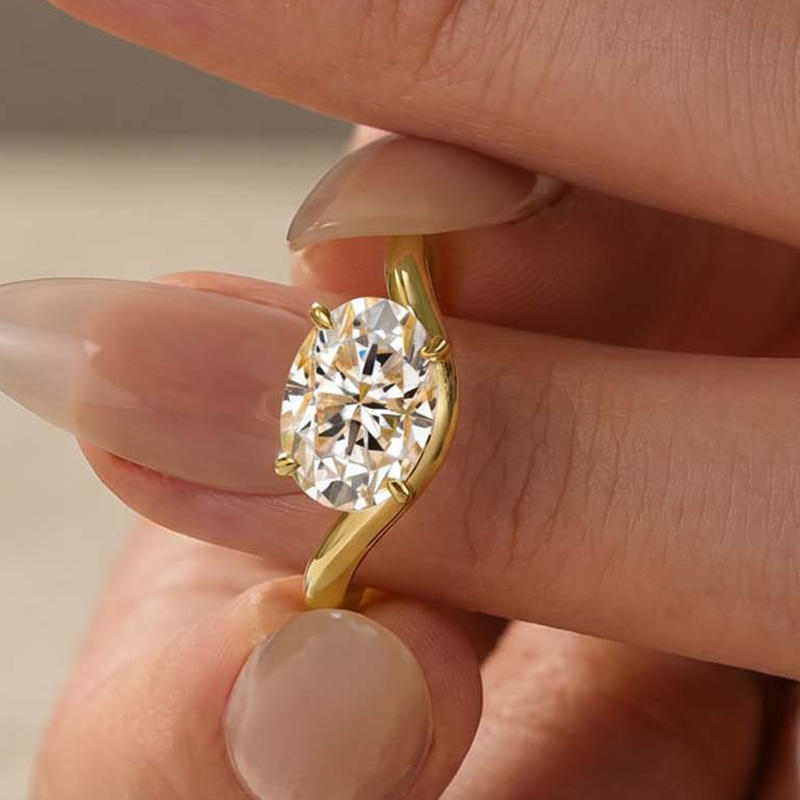
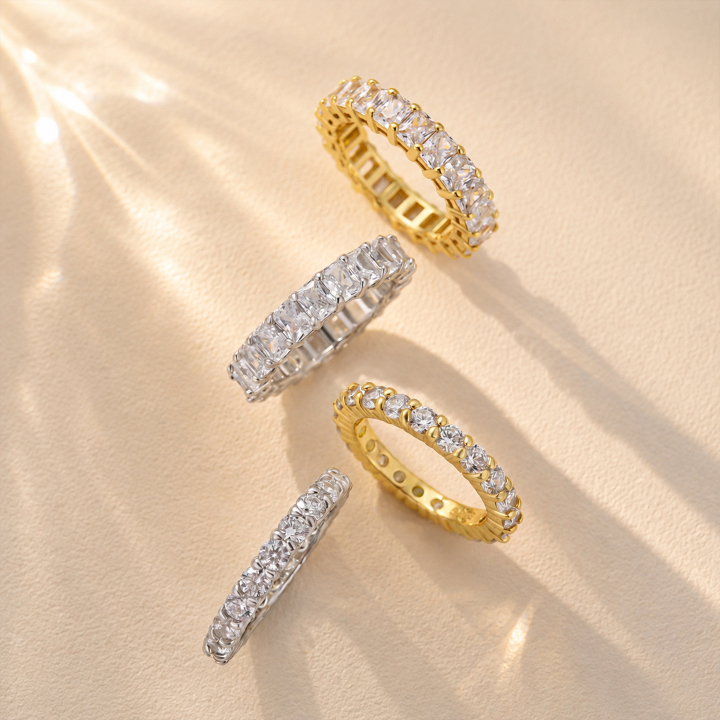
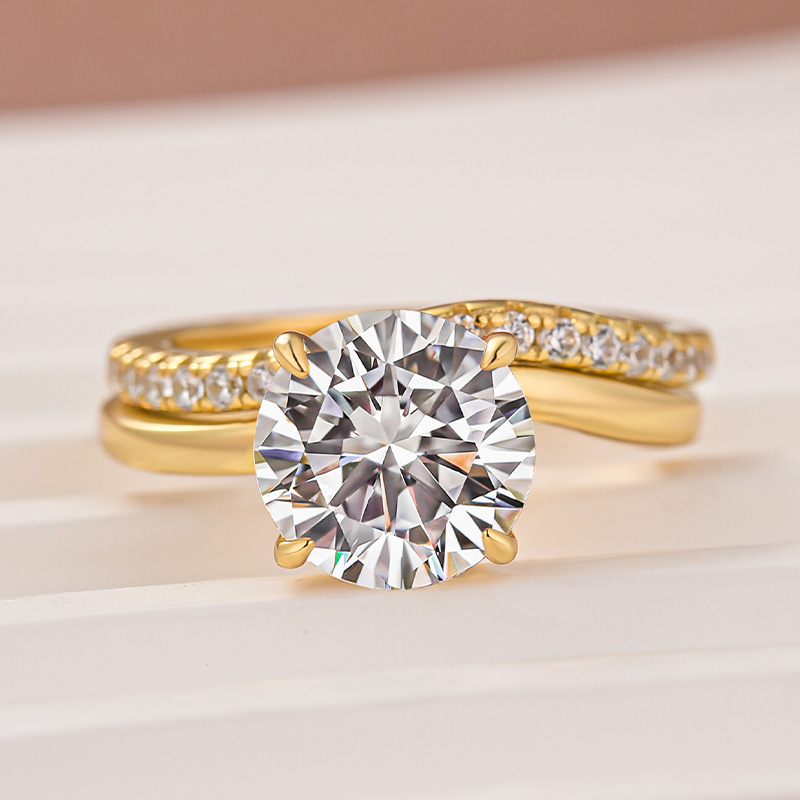
I said, moissanite isn’t a “fake diamond.”
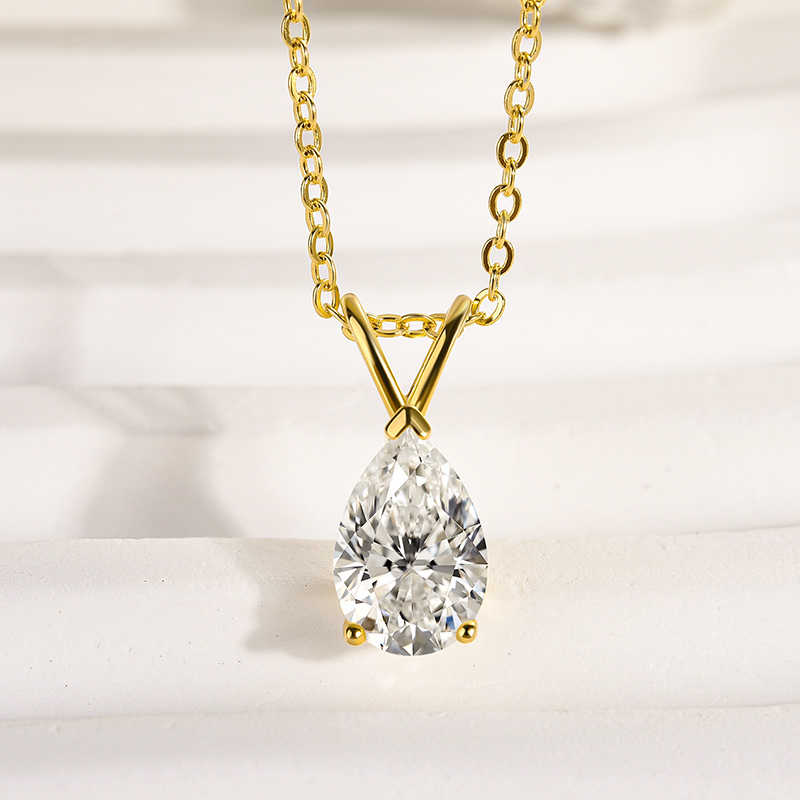
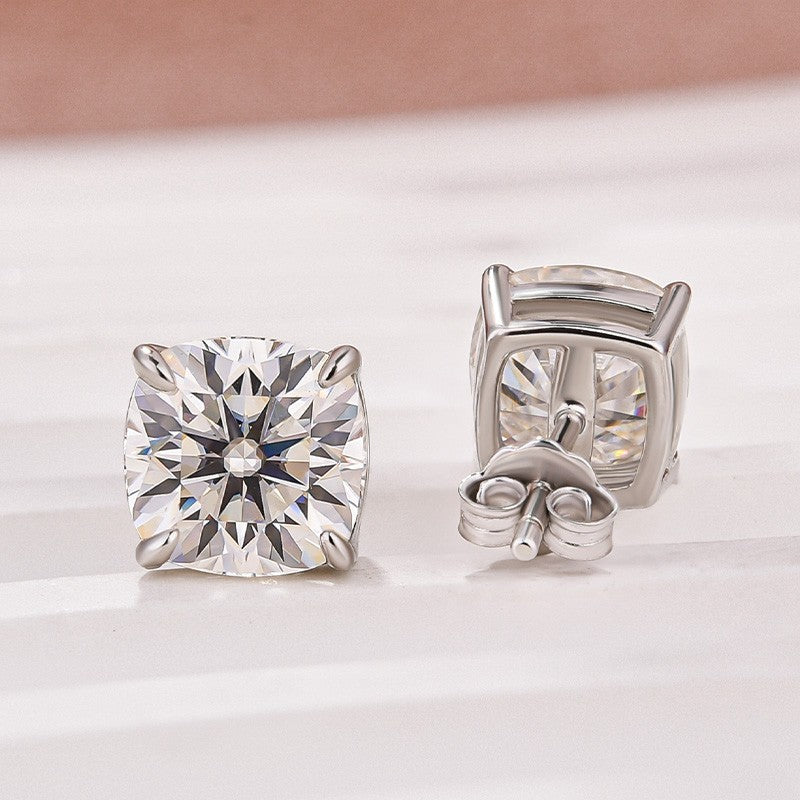
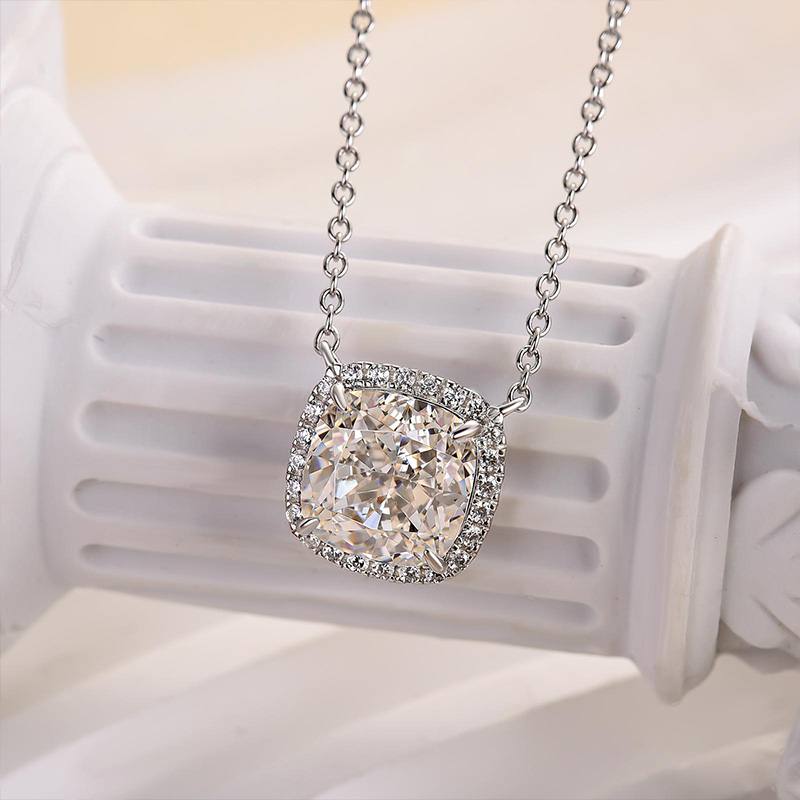
In 1893, French chemist Henri Moissan discovered this stone in a meteor crater in Arizona. Not dug out of the ground — found in the debris of a meteor that had crashed into Earth 50,000 years ago. Natural moissanite is extremely rare — rarer than diamond. Scientists later recreated it in labs, using the same material as the chip in your phone screen — silicon carbide.
Its hardness is 9.25 on the Mohs scale. The second hardest thing on Earth, after diamond. Durable enough for daily wear. Its dispersion value is more than double diamond’s. In plain English: the rainbow sparkle it throws off under lights is more explosive, more eye-catching, more unapologetic than diamond.
It’s not “the poor man’s diamond.” It’s a stone that fell from the sky, landed in a crater on Earth, waited 50,000 years, was discovered by a French chemist, and then got made into rings, earrings, chains, and watches.
It’s not called diamond. It’s called moissanite.
“Still cheaper than diamond though?” my mom asked.
“Yes, cheaper than diamond,” I said. “That’s why some people call it ‘fake.'”
“So is it fake?”
I thought about it. “No. It’s just not called diamond. You wear a gold necklace — nobody asks why you didn’t wear platinum. You wear a cotton t-shirt — nobody asks why you didn’t wear silk. But when it comes to a stone, the rules change. Because it’s not old enough, rare enough, expensive enough — so it’s ‘fake.’ Those two plaques Zendaya wore — if you took away the ‘2,700 years’ label, what’s the difference between them and any two gold earrings? The difference isn’t in the stone. The difference is in the label.”
My mom asked one last thing: “So do you think she should have worn those earrings?”
“I don’t know,” I said. “But I do know one thing — if we’re all arguing about how expensive someone else’s stone is, or whether a 2,700-year-old object belongs on a red carpet — then we’ve already agreed on one thing: a stone’s value comes from where it came from, not from its light.”
She didn’t say anything.
“But that’s not true. A stone is a stone. You wear it — it has value. You don’t wear it — it’s just a rock. Those two plaques Zendaya wore — 2,700 years, Persia, artifact, tomb — none of that has anything to do with whether it sparkles. But if it didn’t sparkle, if it was just a dull piece of metal, nobody would have made it into earrings, even if it fell from the sky 2,700 years ago.”
Moissanite sparkles. More than diamond. It doesn’t need a “2,700-year-old” label to prove its worth.
Because it’s enough on its own. It just needs someone to wear it.
I looked it up later. The controversy over Zendaya’s earrings still hasn’t been resolved. Artifact or commodity — there’s no easy answer to that question. But Kelsey’s $500 moissanite ring — she’s still wearing it. Someone asked her under that TikTok video, “do you regret buying moissanite?” She replied: “I regret not buying it sooner.”