Blog
Moissanite Jewelry: Skyler Samuels Ditched Diamonds for Moissanite — and Hollywood Might Be Next
If you’ve scrolled past a Charles & Colvard ad recently, you might have noticed a new face — Skyler Samuels. Not a top-tier A-lister, but you’d recognize her from American Horror Story, Scream Queens, or The Gifted.
In April 2024, she became Charles & Colvard’s brand ambassador. Not for diamonds. For moissanite and lab-grown diamonds.
She said something interesting in the announcement: “Everyone deserves a little sparkle in their life, and I love that Charles & Colvard offers that in a sustainable way.”
“Everyone deserves a sparkling stone” — that sounds like a generic line. But she backed it up in interviews with words like “conflict minerals” and “sustainability.” Not “nobody can tell the difference anyway.” It was “this is what I actively chose.”
The Ring That’s Not a Diamond Ring
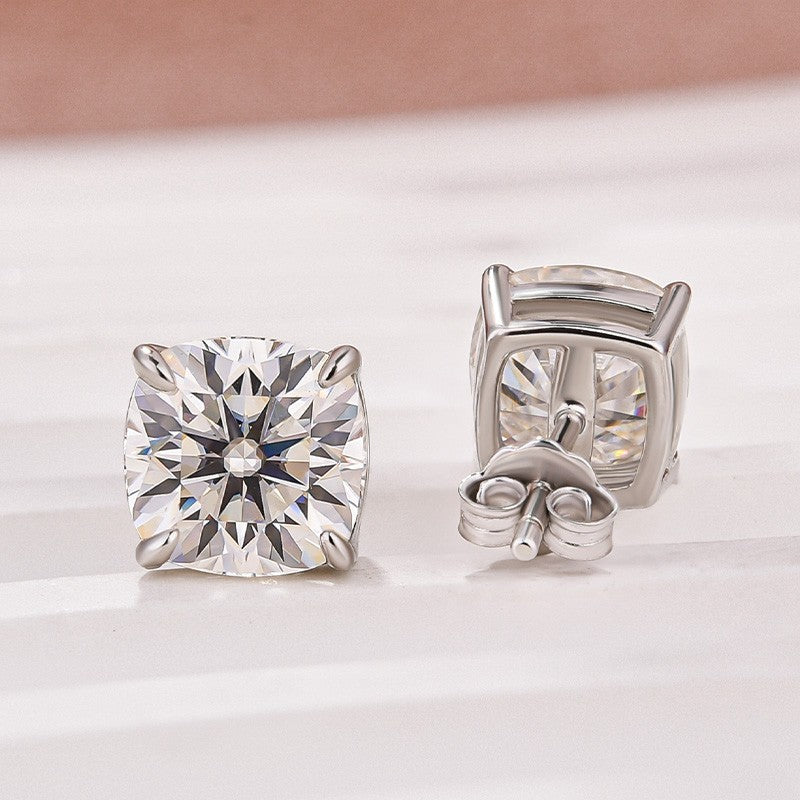
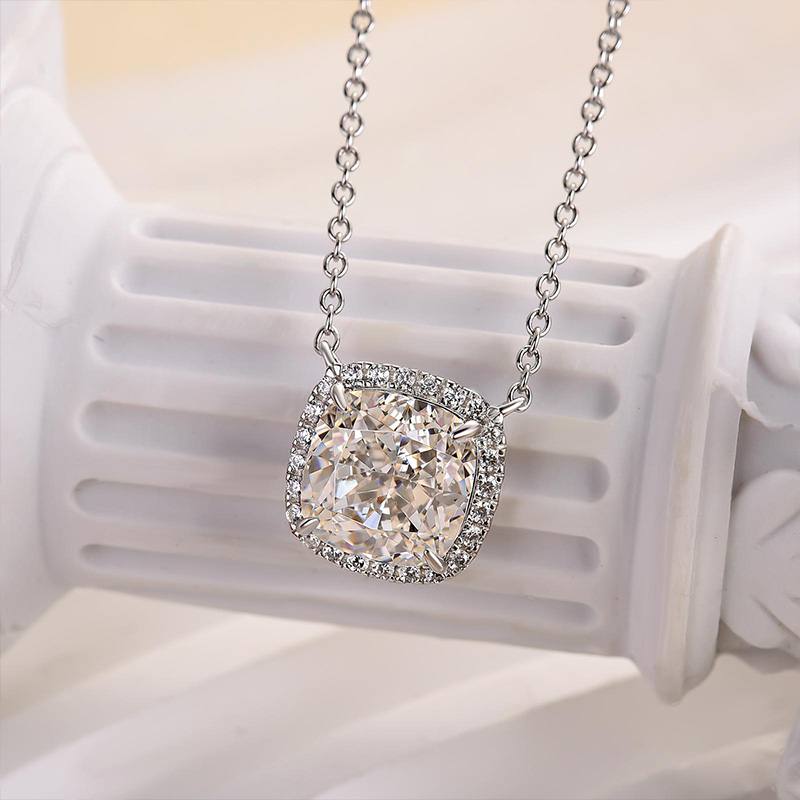
Charles & Colvard was founded in 1995 — the first company to bring moissanite to the mass market. Their Forever One™ moissanite and Caydia® lab-grown diamonds are marketed under the tagline “Made, Not Mined™” — grown above ground, not dug out of it.
Skyler Samuels became the new face of that brand. This isn’t a niche influencer doing a niche brand promotion. This is a publicly traded American company putting the words “moissanite” and “sustainability” together and using a Hollywood actress’s face to spread the message.
Her reasoning was simple: no mining, no conflict minerals, reasonable price, and the sparkle doesn’t take a hit. That’s what she wanted more people to know about.
The Diamond World Is Getting Squeezed from Two Sides
On Hollywood red carpets, natural diamonds are still king. At the 2026 Met Gala, Rihanna wore a pair of 51.93-carat Moghul Golconda fancy brown-yellow diamond earrings. Beyoncé wore Chopard’s Queen of Kalahari necklace. On the Oscars red carpet, platinum and diamonds were still the main event. Jay-Z wore a $6 million Patek Philippe Grandmaster Chime to the Met Gala.
Diamonds aren’t going anywhere. Expensive things will always have buyers.
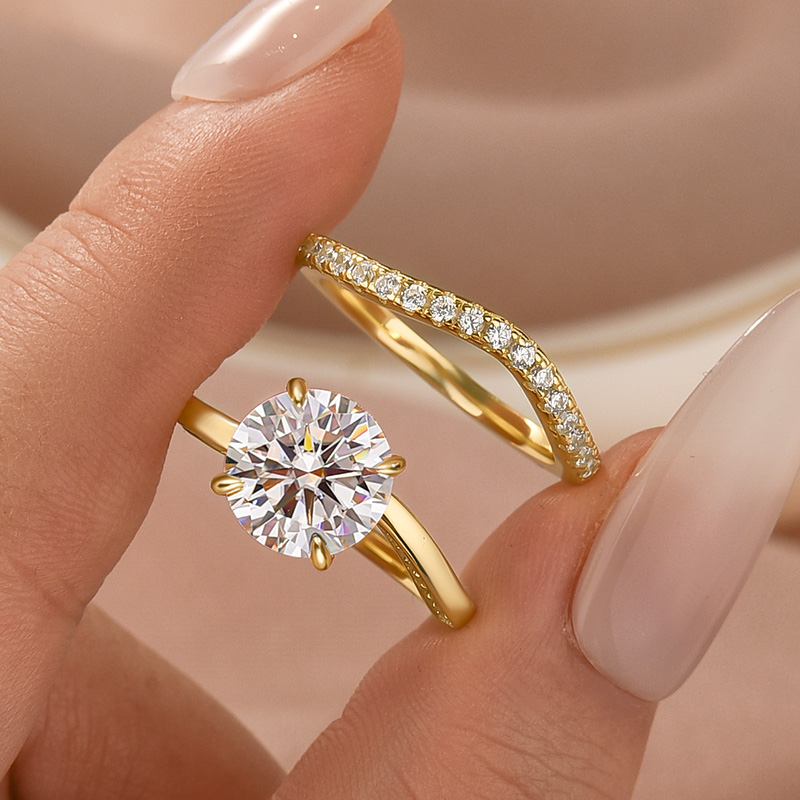
But another trend is moving in parallel — lab-grown diamonds and moissanite are quietly eating the “middle-class engagement ring” market. In 2024, over 61% of newlywed American couples chose lab-grown diamonds or alternative stones for their engagement rings — a 239% increase from 2020.
Skyler Samuels isn’t the first celebrity to say “I support moissanite.” TikTok博主 Kelsey Kotzur, the hip-hop brand IceCartel, independent watchmaker ArtyA — they’ve all been pushing this stone from different angles. But she’s the first to tie it to words like “publicly traded company,” “brand ambassador,” “sustainability,” “conflict minerals,” and “industry standards.”
This isn’t a blogger clapping back at a stranger on TikTok. This is an actress standing in front of an industry and saying: “I chose this. Not because I couldn’t afford the other one.”
The Missing Diana Diamond
The same year Skyler Samuels became Charles & Colvard’s brand ambassador, another piece of celebrity gossip was making the rounds in Western media.
Meghan Markle hadn’t worn her custom-designed engagement ring — the one Harry designed himself — for over four months. That ring, with its center diamond from Botswana (where the couple first fell in love) and side stones taken from Princess Diana’s personal jewelry collection, was designed by Harry in 2017 to bring his mother and his fiancée together.
The ring had been modified four times — a new band, an added diamond halo, the center stone swapped from cushion cut to a more expensive emerald cut.
The last time it was seen publicly was probably in a Thanksgiving cooking video in late 2025. Then it disappeared.
In its place: a massive $250,000 pear-shaped diamond ring, worn on her right ring finger. In a promotional video for her “As Ever” jam brand, the camera lingered on her hand — the giant diamond ring almost became the focal point.
The tabloid commentary was brutal: “What she really wanted people to see was the ring, not the jam.”
The gossip conclusion: money’s running low, the marriage might be in trouble, and the diamonds taken from Diana’s bracelet might not symbolize what they used to.
Two Stories Side by Side
On one side: Skyler Samuels actively choosing moissanite, saying “this is the responsible choice that aligns with my values.” On the other: Meghan Markle’s Diana-sourced diamonds disappearing, replaced by a $250,000 ring on her right hand.
One is saying “my choice represents what I stand for.” The other is being interpreted as “maybe that ring doesn’t stand for what it used to.”
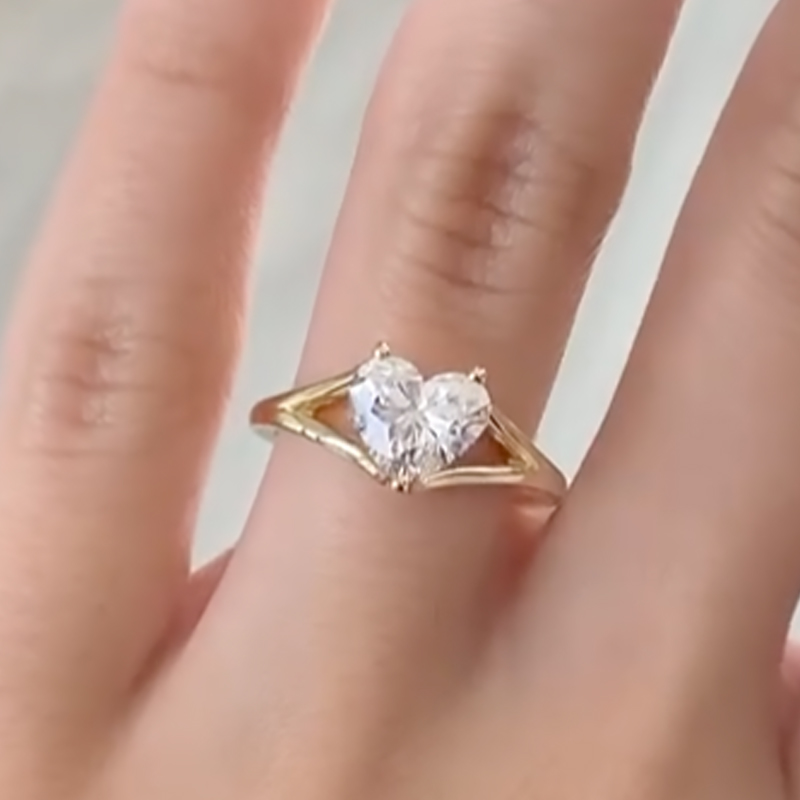
How much is moissanite worth? A few hundred to a few thousand dollars.
How much are Diana’s stones worth? Impossible to price. Because they carry an entire family’s history.
Whether Meghan is wearing that ring probably has nothing to do with moissanite. But when you put these two stories next to each other, one question comes up: what actually determines a ring’s “value”? The price of the stone? Where it came from? The story it carries? Or — how the person wearing it sees it?
Skyler Samuels said one thing when she chose moissanite: “Everyone deserves a little sparkle in their life.” She didn’t say “it’s better than diamond.” She didn’t say “it’s the same as diamond.” She didn’t say “you can’t tell the difference.” She said: “everyone deserves a sparkly stone.”
The point of that sentence is “deserves.”
What happened to Diana’s diamonds? Nobody knows. Meghan hasn’t explained. Harry hasn’t responded. The tabloids are still guessing. But that moissanite — Skyler Samuels stood behind it, Charles & Colvard has survived three decades on it, and 26% more people buy it every year. Some stones carry their value through stories. Some stones carry it through light. Both are being worn by someone.