Blog
A Filipino Actress Spent Half a Lifetime’s Savings on “Diamonds.” The Appraisal Came Back. All She Said Was “I’m Sad.”
September 2026. Manila.
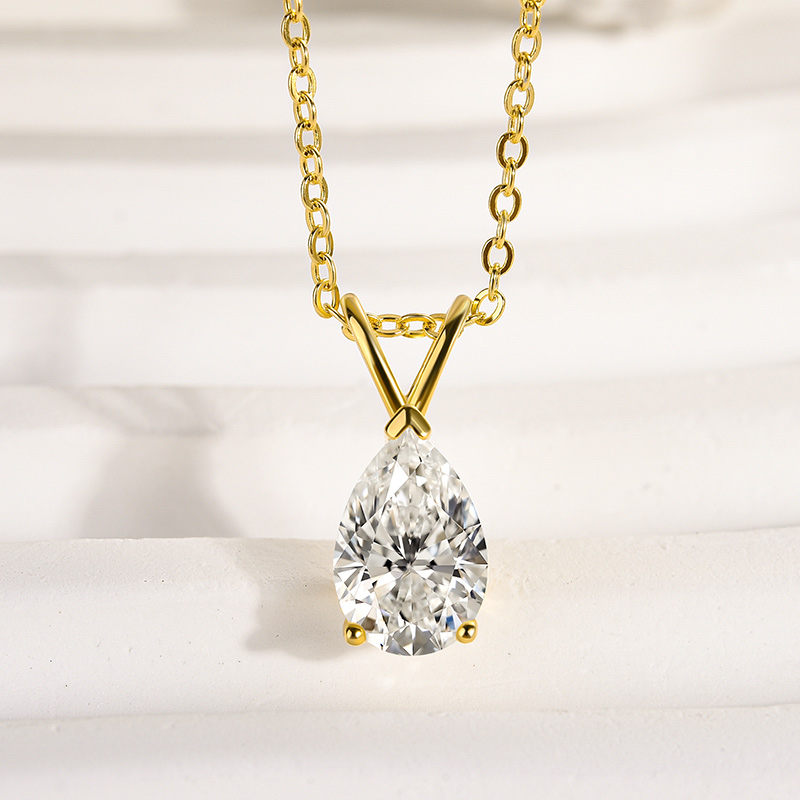
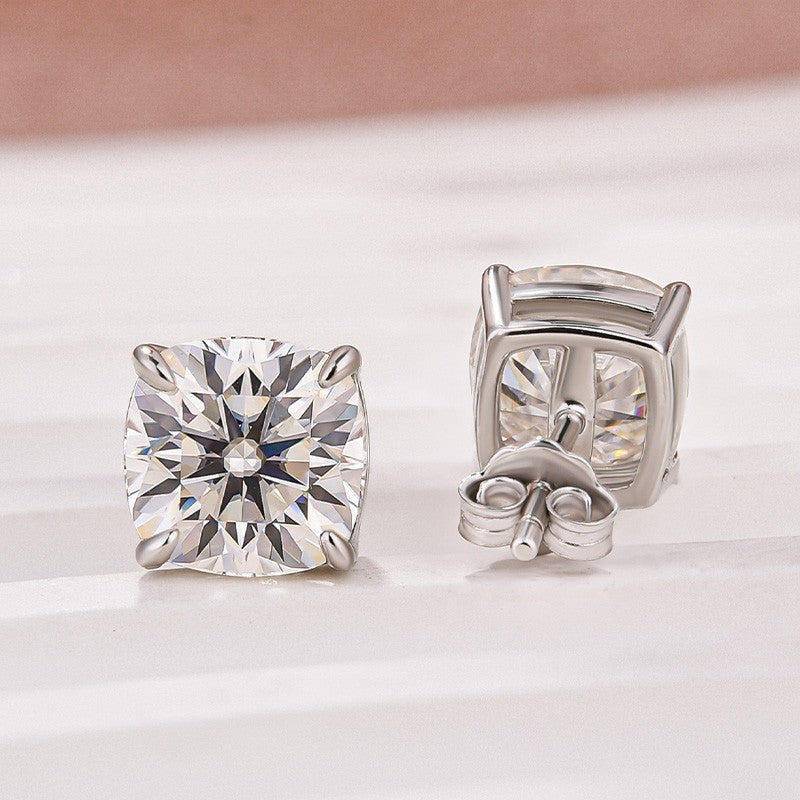
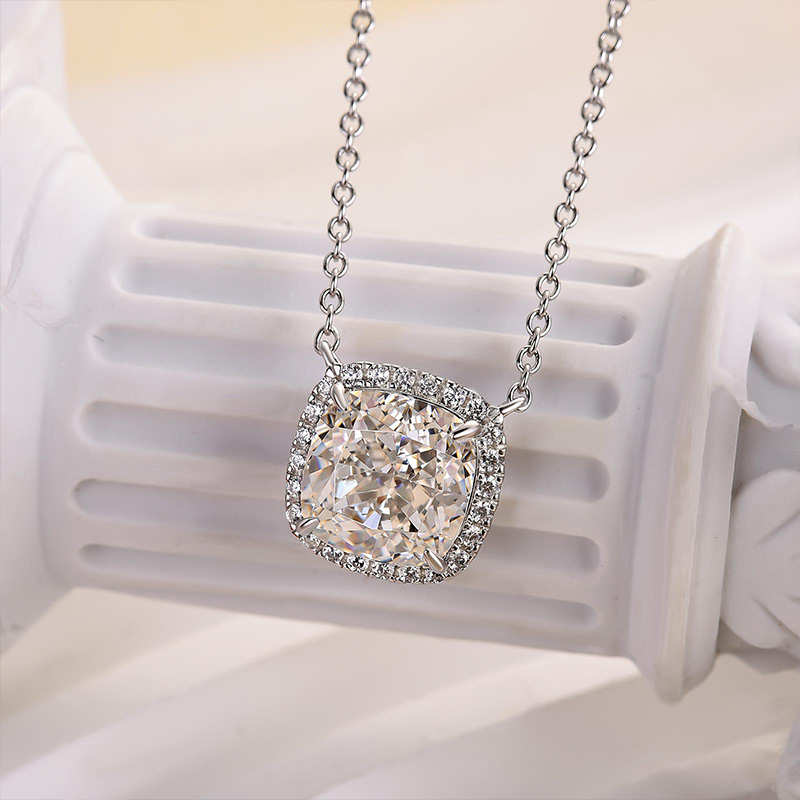
Cherry Pie Picache walked into Maddox Jewelry in a good mood. She’s a veteran Filipino actress — dozens of films and TV shows, decades in the local entertainment industry. That day she brought in a jewelry set to be appraised: a necklace, a pair of earrings. She’d bought them when she first started working, when she first started earning money.
She believed they were natural diamonds. That’s what the seller told her. No certificate. But she trusted the person.
The appraiser, Charo Cordial, put the stones into the machine. While waiting for the results, Cherry Pie tried on other natural diamond pieces in the store, saying “Oh my God” over and over. The excitement was real. She was probably thinking that her decision back then had been the right one. Hard-earned money, turned into something she could wear and that would hold its value.
Then the results came back.
The 18K white gold setting was real. The stones were moissanite.
Cherry Pie froze for a few seconds. Then she said: “I’m sad.”
She didn’t cry. She didn’t yell. She didn’t say she was going to sue anyone. She just said she would try to contact the seller. The gold setting still had value. But the stones were not what she thought they were.
The Price of “Trust”
After the story spread through the Filipino entertainment world, the comments split into two camps.
One camp said: Who buys jewelry without asking for a certificate? That’s on you.
The other camp said: She trusted the person. Trust isn’t a crime.
Cherry Pie’s own words were that when she bought the set, she “hoped to own something she could both enjoy and invest in.” She believed the seller. No certificate, but she believed. Years later, she found out that trust had been betrayed.
But there’s a more subtle question in this story that almost nobody asked:
If she had known it was moissanite from the beginning, would she still have bought it?
Moissanite Isn’t a “Fake Diamond.” But It’s Not an “Investment” Either.
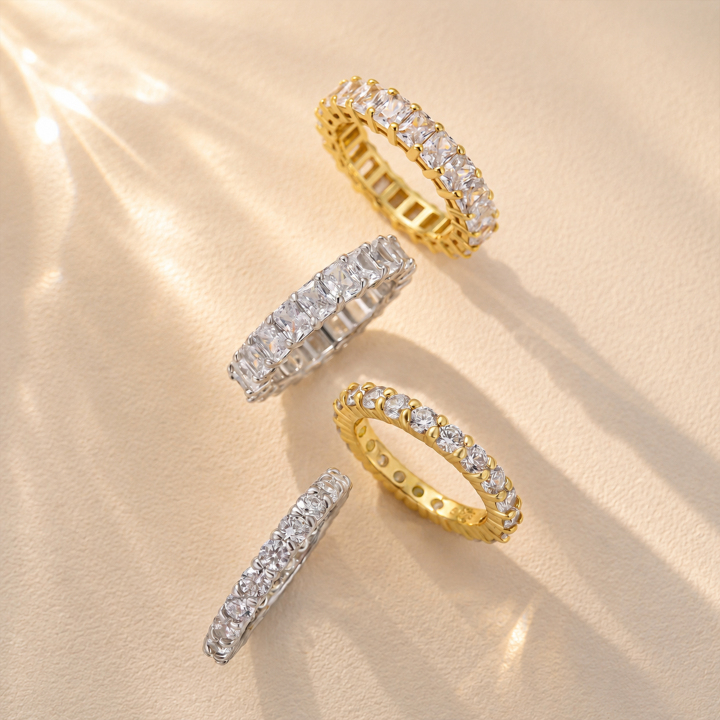
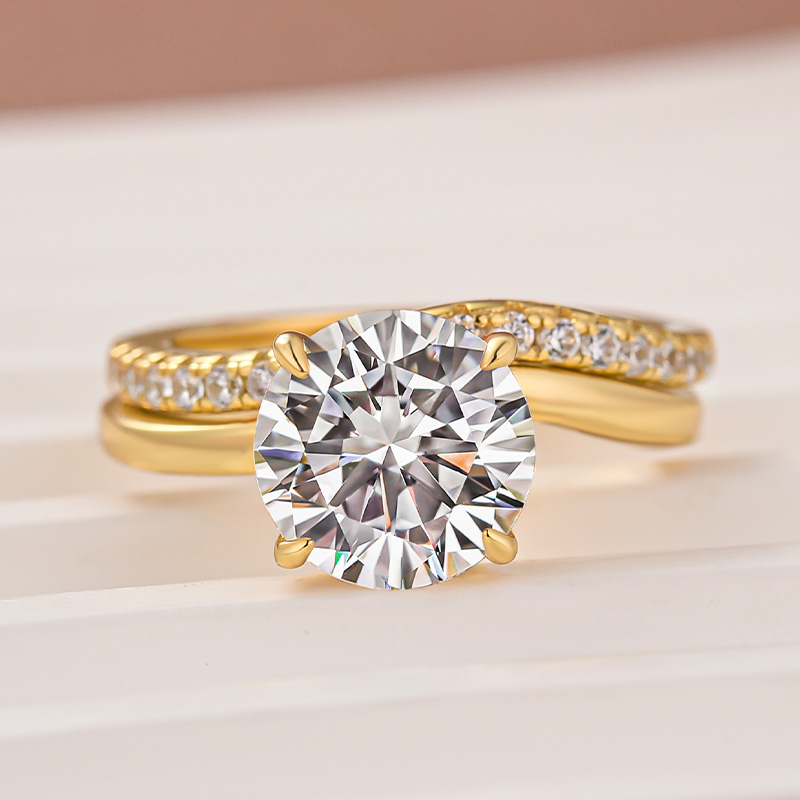
Moissanite is silicon carbide. Discovered in 1893 in a meteor crater in Arizona by French chemist Henri Moissan, later recreated in labs. Hardness 9.25. Diamond is 10. Refractive index 2.65 to 2.69. Diamond is 2.42. Dispersion 0.104. Diamond is 0.044 — the colored fire it throws off under light is more than double diamond’s.
It sparkles. It’s hard. It won’t scratch after ten years of wear.
But it doesn’t hold value. Moissanite’s resale value is close to zero. Natural diamonds typically resell for only 30% to 50% of retail — but at least there’s a market. Moissanite has none.
Cherry Pie bought an “investment.” The seller told her it was natural diamond. If the seller had said “this is moissanite, it’s beautiful, it sparkles more than diamond, but it won’t appreciate in value” — would she have bought it?
Maybe. Maybe not. But at least the choice would have been hers.
Why Celebrities Wear Moissanite
Cherry Pie’s story is a story about being deceived. But moissanite’s popularity in Western entertainment is built on the opposite: choosing it on purpose.
In 2026, Polish gemologist Piotr Krawczyk wrote a straightforward analysis: what celebrities wear on red carpets is often not their own natural diamonds. The multi-million-dollar pieces stay locked in safes. What they wear on the carpet is often moissanite “stand-ins.”
Two reasons. First, insurance. Wearing a set of diamonds worth a Manhattan apartment down a red carpet? The insurer won’t allow it. Second, flash photography. Moissanite’s dispersion is 0.104. Diamond’s is 0.044. Under dozens of cameras flashing at once, moissanite throws off more fire, more aggressively, more eye-catching than diamond. The light the audience sees outside the carpet is moissanite’s light.
That’s not “faking it.” That’s a professional choice. The celebrity knows what she’s wearing. The stylist knows. The brand knows. Nobody says “these are natural diamonds.”
That’s the exact opposite direction from Cherry Pie’s story.
What Happened After “I’m Sad”
Cherry Pie didn’t say what she planned to do. No police report. No lawsuit. No saying she’d throw the set away. She just said “I’m sad,” and that she would try to contact the seller.
Under the news story, someone wrote: “At least the gold setting is real.”
That sounds like comfort. It isn’t. It’s saying: in that entire jewelry set, only the part that isn’t the stone still has value. The stone itself — the one she thought would hold value, be passed down, be something she could take out in retirement and look at as proof of her hard work when she was young — is worth nothing.
But moissanite itself did nothing wrong. What did wrong was the person who called moissanite a natural diamond.
Moissanite isn’t a “fake diamond.” It’s just not called diamond. It sparkles more than diamond, costs far less, and won’t change after ten years on a hand. But it won’t appreciate. If you’re buying it to wear, it’s worth it. If you’re buying it to sell, it isn’t.
When Cherry Pie bought hers, she thought she was doing the latter. She was deceived.
And the person who deceived her probably still doesn’t know that what he sold was actually quite beautiful. He just added two extra words: “natural diamond.”