The Question That Started It All
Walk into any jewelry store, and you’ll hear the same script: diamond equals love. Diamond equals commitment. Diamond equals forever.
But here’s a question that doesn’t get asked enough: Does love really need a price tag that could buy a used car?
I’ve spent years watching couples wrestle with this. Young professionals with good jobs but crushing student debt. Families saving for a house. People who genuinely want to express forever but can’t stomach dropping five figures on a ring. And honestly? Most of them are tired of being told that anything less than a diamond means they’re settling.
That’s where moissanite comes in. And no, this isn’t another “diamond alternative” that looks cheap and feels flimsy. This is something different.
What Exactly Is Moissanite?
Here’s the quick version: moissanite is a lab-grown gemstone made of silicon carbide. It was first discovered in 1893 by a French scientist named Henri Moissan—inside a meteorite crater in Arizona. Yes, you read that right. It literally fell from space.
Natural moissanite is incredibly rare, which is why almost everything on the market today is lab-created. But don’t let the word “lab” fool you. These aren’t cheap imitations. They’re grown in controlled conditions with the exact same physical and optical properties as the space-born originals. No mining, no environmental destruction, no ethical gray areas.
Why People Are Making the Switch
The Sparkle That Stops Traffic
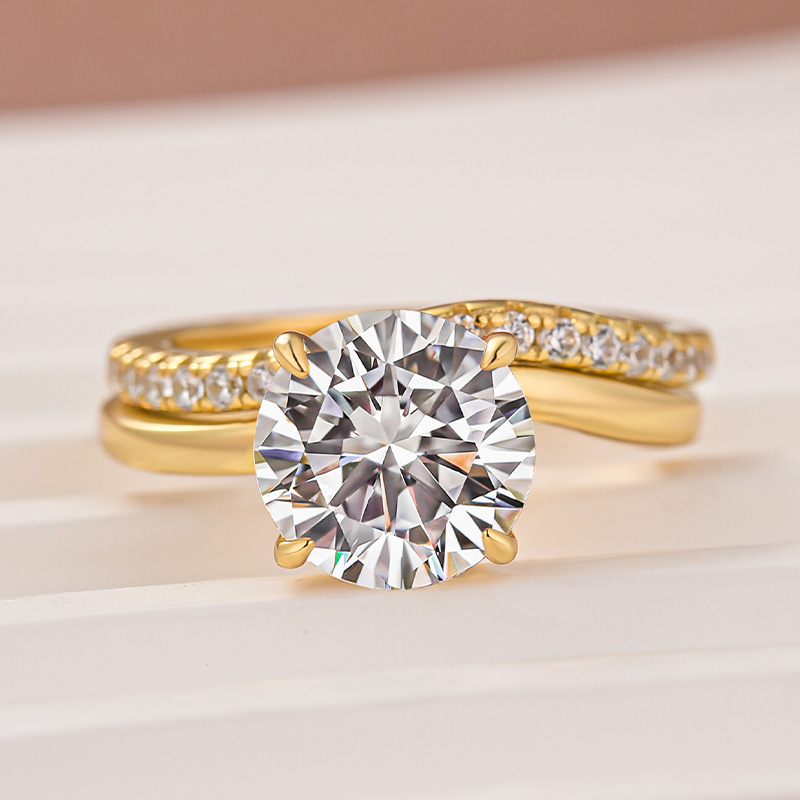
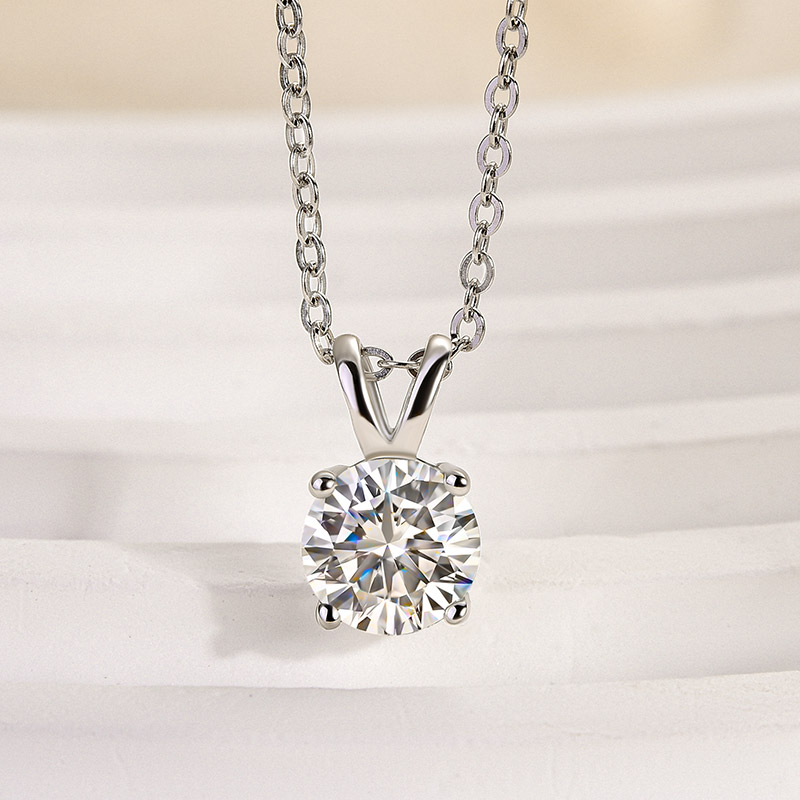
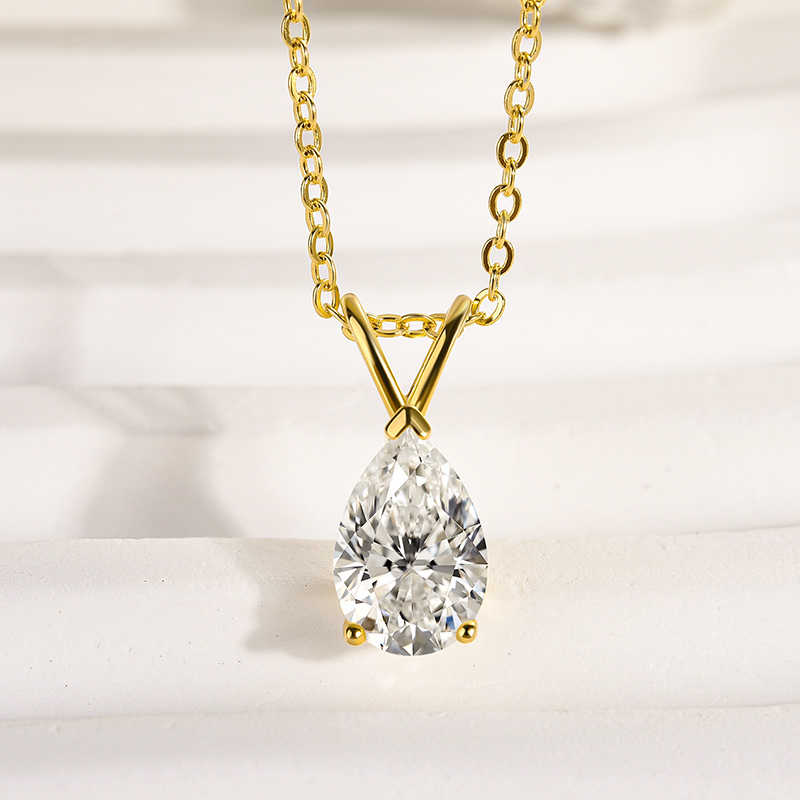
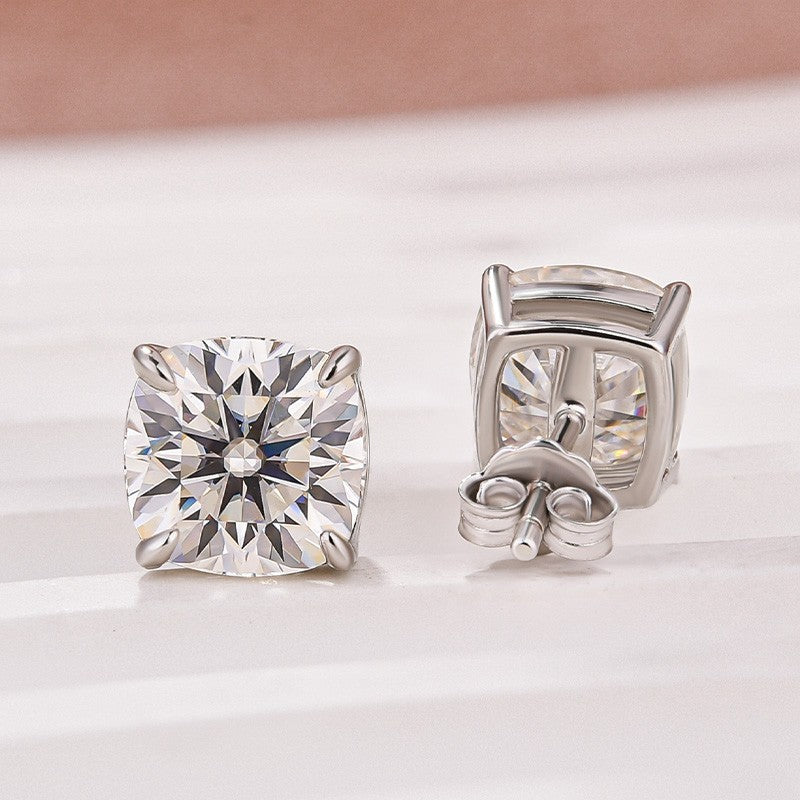
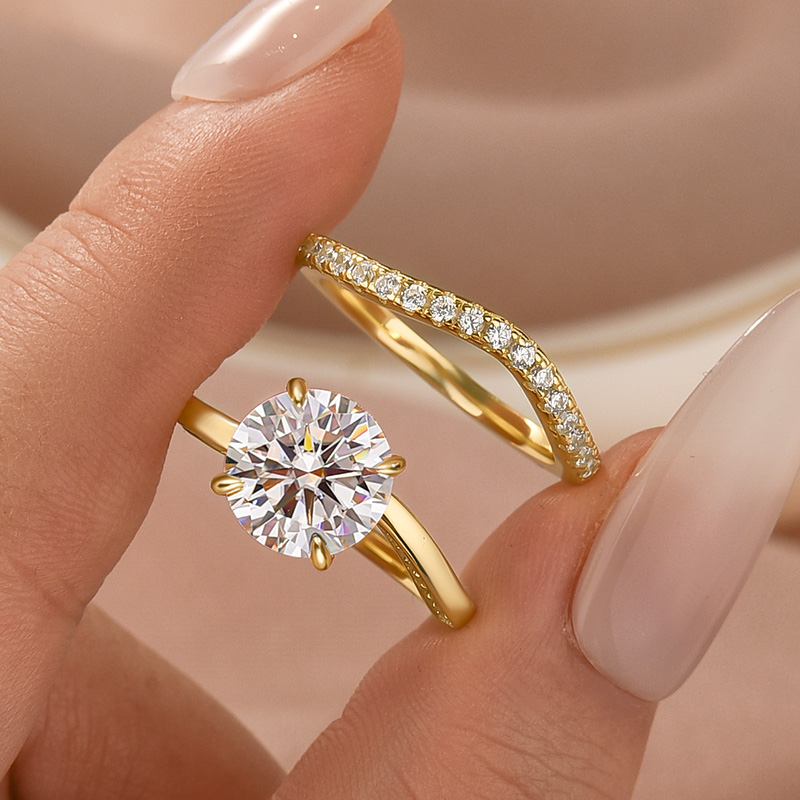
Here’s something most people don’t expect: moissanite actually sparkles more than a diamond.
Its refractive index clocks in at 2.65-2.69, compared to a diamond’s 2.42. Translation? More fire. More rainbow flashes. More light bouncing around every time you move your hand.
Some people love this. Some prefer the subtler white flash of a diamond. Neither is wrong. But if you want a ring that catches light like a disco ball and turns heads from across the room, moissanite delivers.
The Price Tag That Makes Sense
This is the part that gets people’s attention. A one-carat moissanite typically runs $500-$800. A comparable diamond? Try $2,500 to $18,000.
That’s not pocket change we’re talking about. That’s a down payment on a car. That’s a year of daycare. That’s two plane tickets to Paris and a week in a hotel with room service.
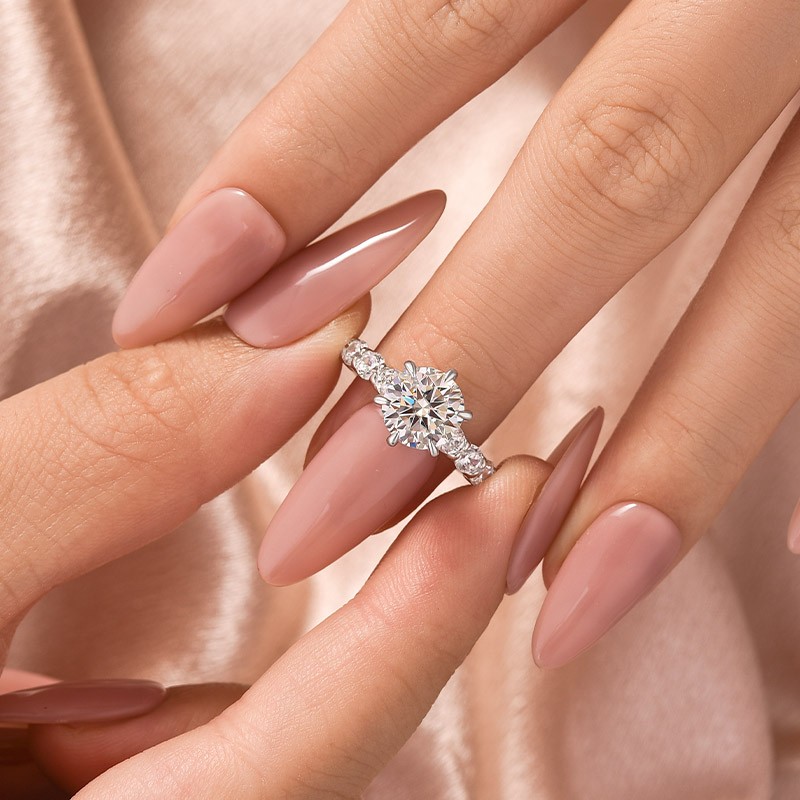
With moissanite, you can get a two or even three-carat stone for what you’d spend on a tiny diamond. Bigger stone, better sparkle, more money left over for everything else that actually matters in a marriage.
Built for Real Life
Let’s be practical for a second. Engagement rings get worn every single day. They hit countertops. They snag on clothing. They survive dishwashing, gym sessions, and toddler hands.
Moissanite ranks 9.25 on the Mohs hardness scale. Diamonds are a 10. That makes it the second-hardest gemstone on earth. It won’t scratch. It won’t chip. It’ll look brand new years later, even with daily abuse.
The Clear Conscience Factor
More and more people care about where their jewelry comes from. And here’s the thing about moissanite: it’s grown in a lab. No conflict zones. No questionable labor practices. No giant holes carved into the earth. Just clean, controlled production with full transparency.
You can wear it knowing exactly where it came from—and knowing it didn’t cost the planet or someone else’s dignity.
A Story I’ve Heard Too Many Times
I’m going to tell you something that happened years ago. Names changed. Details blurred. But the heart of it? That part is real.
A guy I knew, let’s call him James, walked into a jewelry store to buy an engagement ring for the woman he loved more than anything. He was young, nervous, and his wallet was thin. He circled the diamond cases, looked at the prices, and felt his stomach drop.
The smallest diamond in the store cost more than he made in a month.
A saleswoman noticed him standing there, defeated. She pointed to a different case. “Try these,” she said. “They’re called moissanite. You literally can’t tell the difference with your eyes. And they cost a fraction.”
He left with a ring. Not a diamond. But he told himself it didn’t matter—the love was real.
He proposed. She said yes. She wore that ring through the early years—the cramped apartment, the sleepless nights, the unpaid bills. She wore it while washing dishes and holding his hand through hard conversations.
Years passed. His career took off. Money stopped being tight. And somewhere along the way, he met someone else. Younger. Flashier. With expectations that matched his new paycheck.
For her birthday, he bought a real diamond. One-carat. Expensive. He handed her the box.
She opened it and frowned. “Is that it?” she said. “I thought you’d get something bigger.”
He went home that night, pulled out the diamond box, and handed it to his wife.
“I’m sorry,” he said. “I should have given you this all along. The ring I proposed with—it was never real. It was moissanite. I couldn’t afford better back then.”
She looked at the big diamond in the box. Then she looked at him. Then she smiled—the same smile she’d given him on their wedding day.
“I knew,” she said quietly.
He blinked. “What?”
“I’ve known since the day you gave it to me. I could tell by the way the light hit it.” She laughed. “But I wore it anyway. Because you gave it to me. Because I knew you bought it with love, even if you couldn’t buy it with money.”
She pushed the box back toward him. “Return this. I don’t need a bigger ring. I need you. I always have.”
He sat there realizing something: she had loved him in the lean years. She had loved him with a ring that wasn’t “real.” She had loved him when there was nothing to gain. And he had almost thrown that away for someone who only wanted what he could buy.
That night, he held her and promised himself he’d never forget what truly mattered.
Why This Story Matters Right Now
That story isn’t unique. Jewelers hear versions of it all the time. People who’ve learned the hard way that love isn’t measured in carats.
Moissanite isn’t a diamond. It’s not trying to be. It’s its own thing—brighter in some ways, more affordable in every way, and unburdened by the weight of tradition. It’s a stone that says, “I love you enough to choose wisely.”
Because here’s the truth: if the person you’re giving a ring to would say no because it’s not a diamond, that’s not a person you want to marry. And if they say yes because it’s sparkly and meaningful and came from someone who truly loved them, then you’ve already found something more valuable than any diamond.
What Sanyu Jewelry Believes
At Sanyu Jewelry, we see this every day. Couples who want beautiful, heirloom-quality rings without the heirloom-sized debt. People who refuse to believe that the price tag on a ring should dictate the size of their love.
That’s why we specialize in premium moissanite jewelry at prices that actually make sense—starting from just $89. We’re based in Guangzhou, China, where master craftspeople create handmade, custom jewelry with attention to every tiny detail. No mass-produced factory pieces. No corners cut. Just beautiful rings that let you put your money where your heart is.
Because here’s the thing: love doesn’t need to be expensive. It just needs to be real.
Ready to Find Yours?
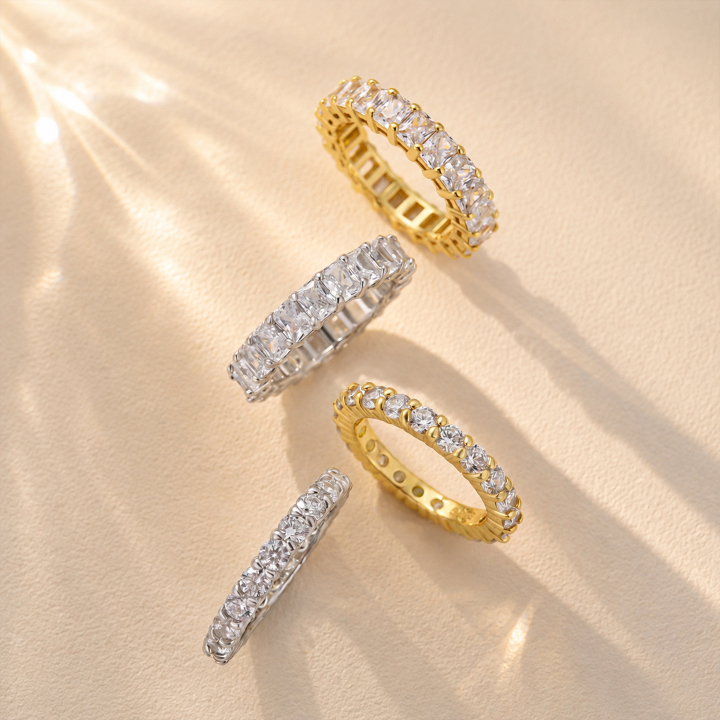
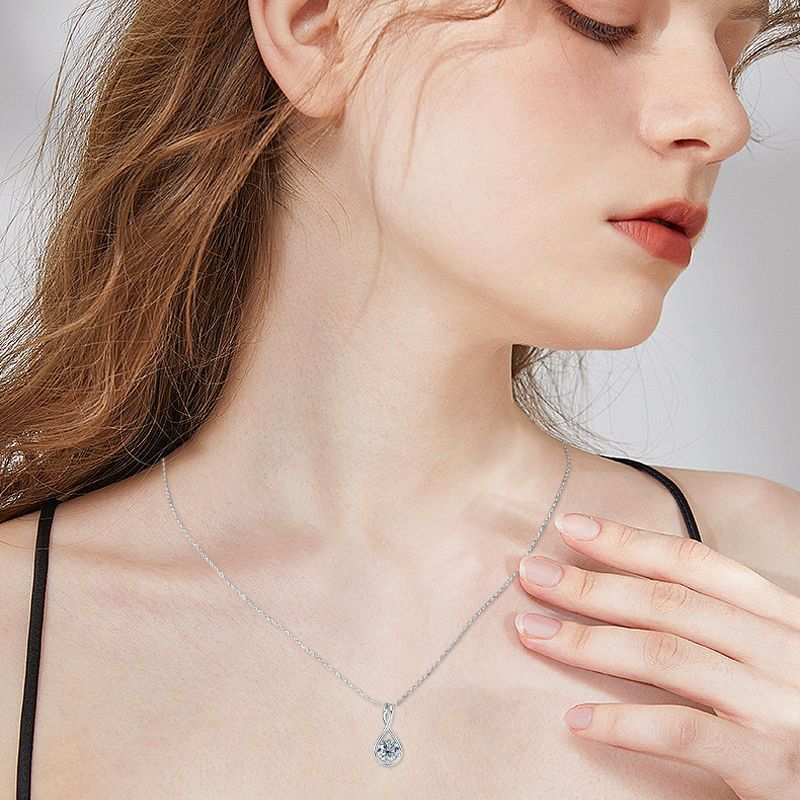
If this resonates with you—if you want a ring that sparkles, lasts, and doesn’t come with a side of debt or ethical guilt—we’d love to help. Our collection features premium moissanite in classic and modern settings, all crafted with care and shipped directly to your door.
Visit us at sanyujewelry.com
Because the best jewelry isn’t about what it is. It’s about what it means.